
Case Study
Quick Commerce Delivery Platform
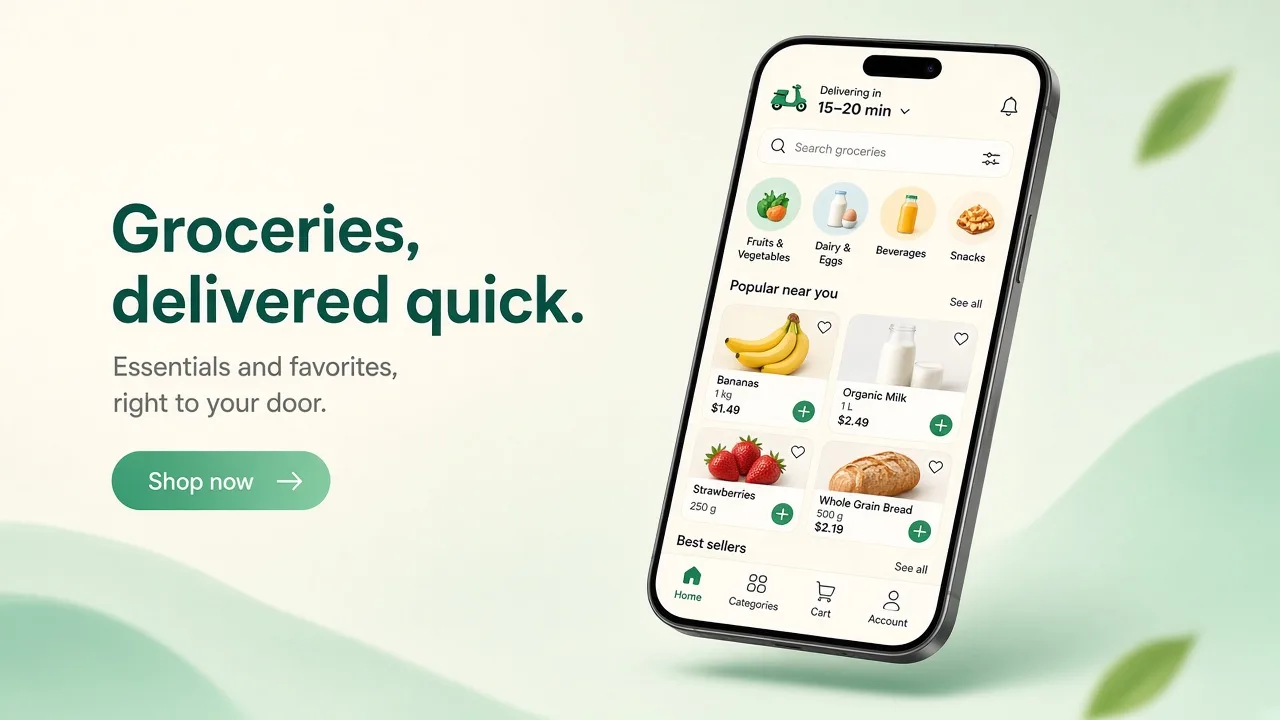
Quick Commerce Delivery Platform enables fast local ordering with streamlined product discovery, inventory, checkout, dispatch, delivery tracking, and operational management.
- 6 MonthsDelivery Timeline
- 8 SpecialistsProject Team
- 4 InterfacesConnected Interfaces
Project Overview
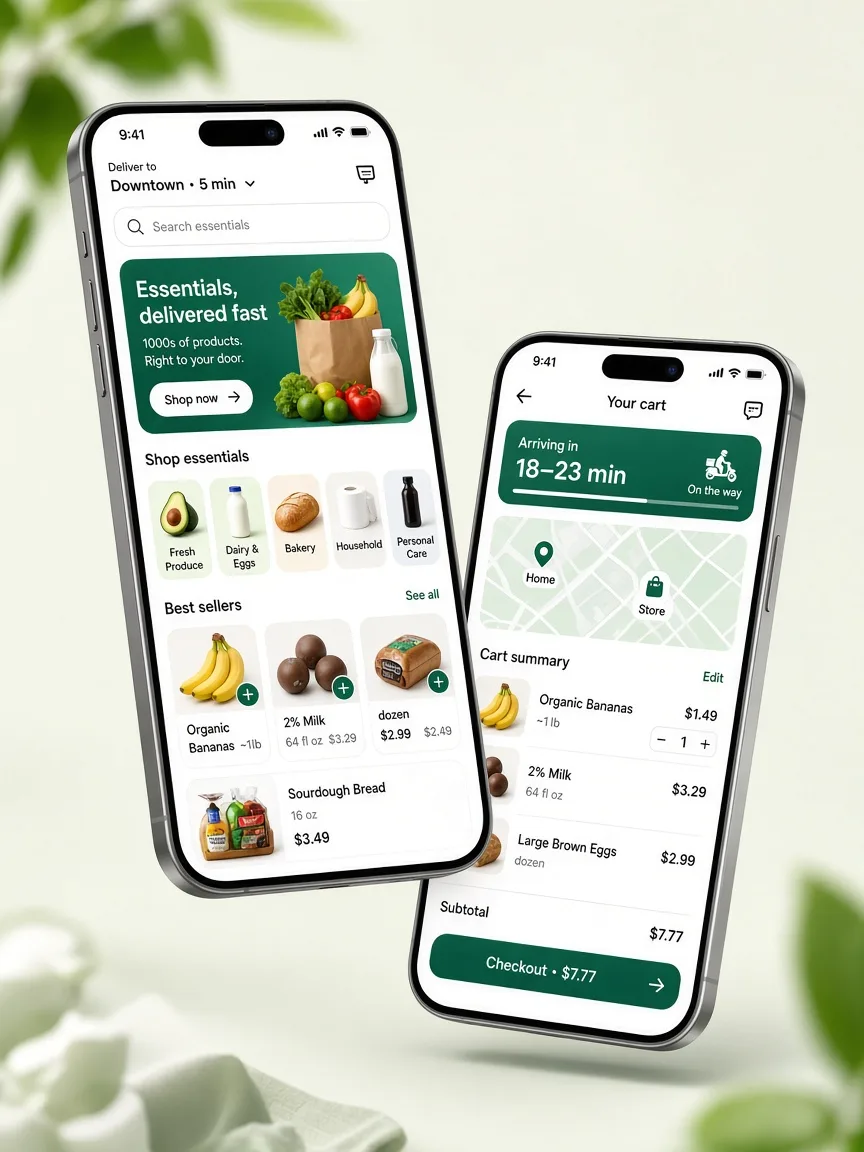
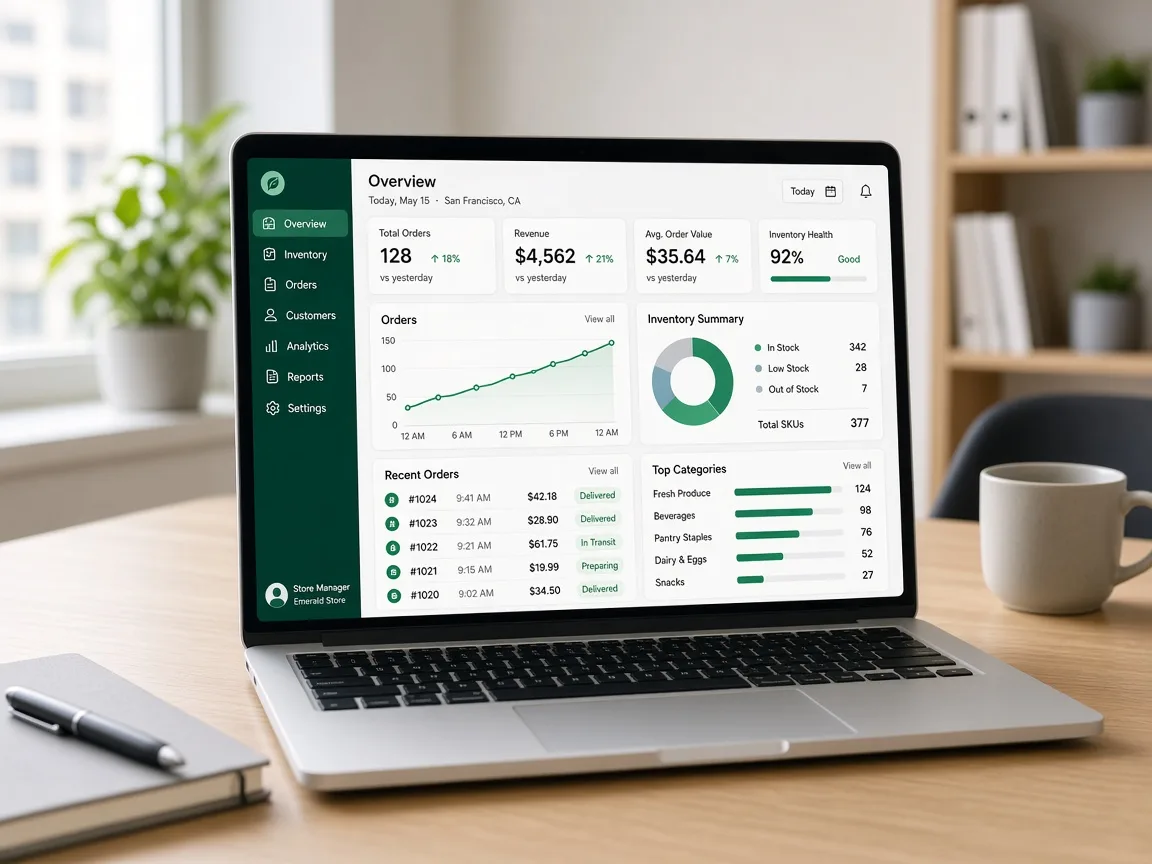
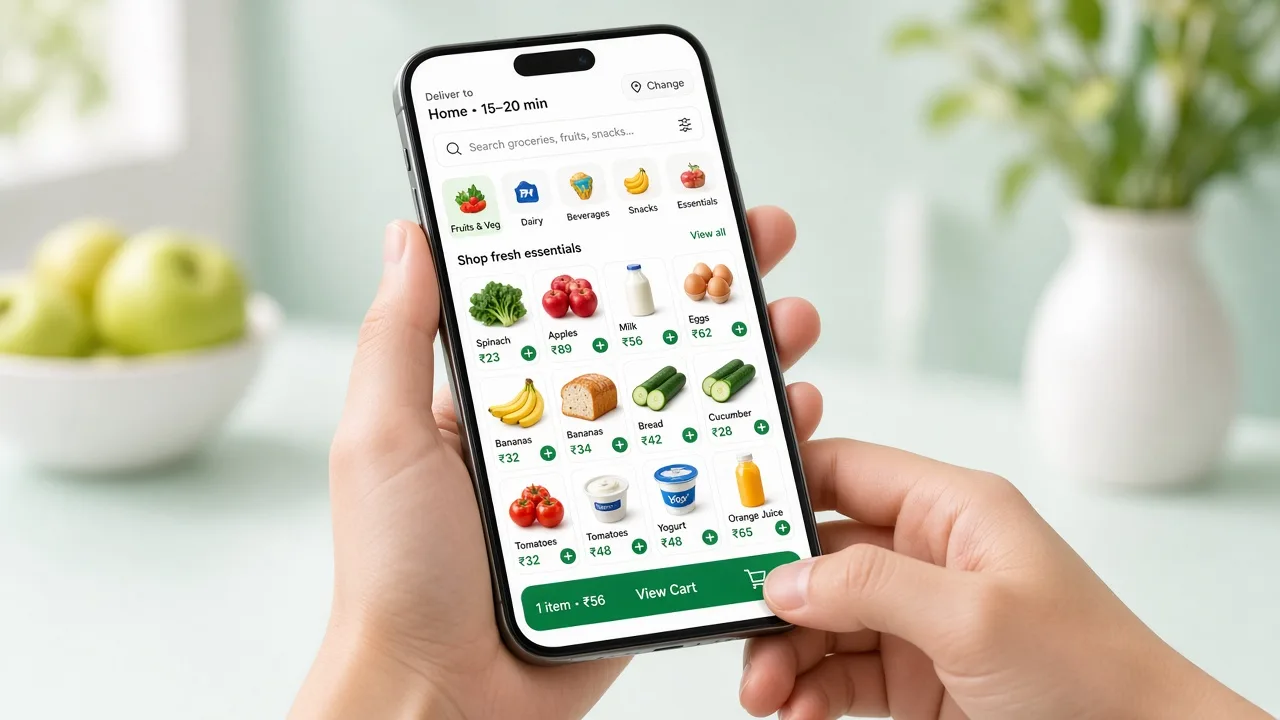
Quick Commerce Delivery Platform is a food and essentials delivery solution designed around fast local ordering and fulfilment. Customers can browse available products, add items to a cart, place orders, complete payments, and track delivery progress. Store teams can manage products, inventory, incoming orders, and preparation status through dedicated tools. Delivery teams can access assigned orders, review delivery details, and update status throughout each trip. Operations staff can monitor orders, stores, customers, payments, and delivery activity. Abhineh Infotech developed the platform to connect ordering and fulfilment workflows while keeping information clear across customer, store, delivery, and operations interfaces.
Project Idea
The platform needed to support rapid ordering and fulfilment while keeping product discovery, inventory, checkout, dispatch, and delivery workflows connected.
Quick commerce depends on short fulfilment cycles, accurate product information, and timely order updates. Customers expect a simple ordering journey, while store and delivery teams need immediate access to changing order information. The platform needed to connect these activities without adding unnecessary steps.
Abhineh Infotech connected customer ordering, store inventory, order processing, delivery assignment, payment workflows, and operational monitoring through integrated application services. Shared data structures helped maintain consistent information across interfaces, allowing each team to work from relevant order and fulfilment information.
The product principle focused on clarity, speed, and confidence. Customers needed clear product and delivery information, store teams needed efficient order handling, and delivery teams needed focused trip details. The interface and service architecture were structured to support quick decisions throughout the order lifecycle.
Challenges
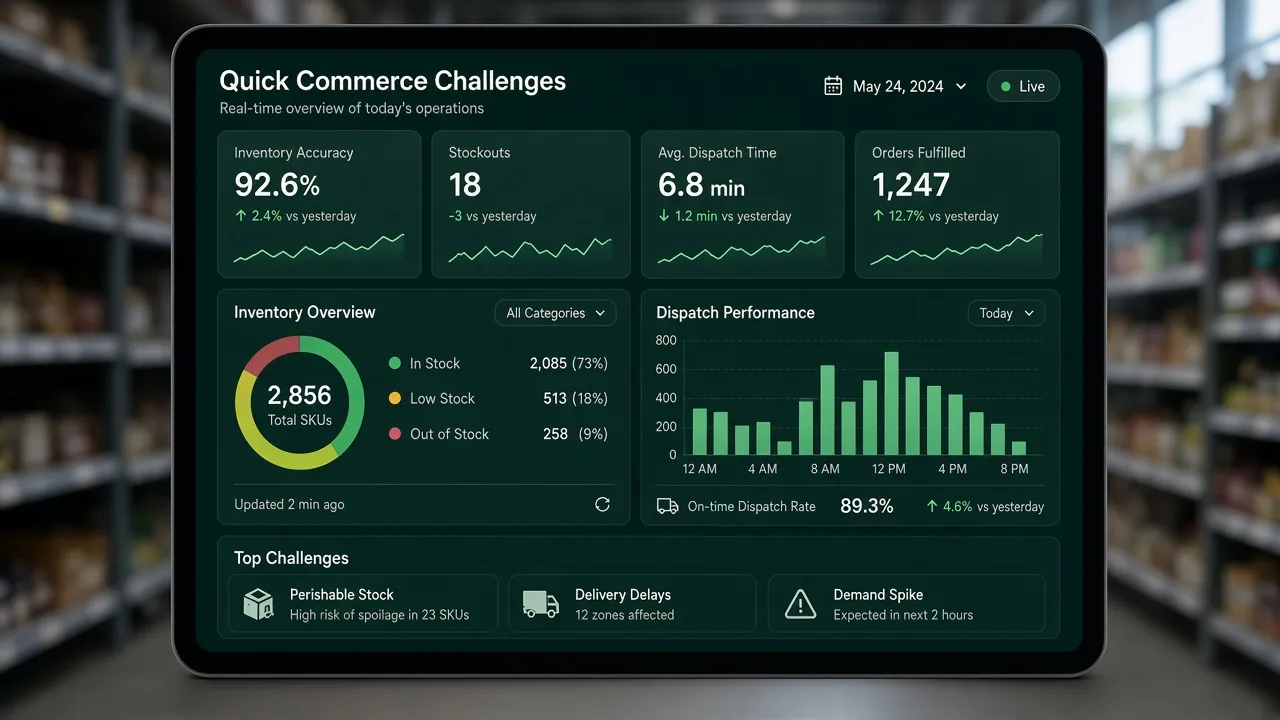
The platform served customers, store teams, delivery staff, and operations personnel, each with different responsibilities. Customers needed simple ordering, store teams required inventory and order controls, delivery staff needed assigned trip information, and operations teams required broader visibility across the system.
Quick commerce involves frequently changing data across product availability, inventory quantities, prices, orders, payments, addresses, and delivery statuses. The platform needed reliable data handling to keep information aligned between customer screens, store tools, delivery interfaces, and operational systems.
High order activity can create pressure on product browsing, checkout, order processing, inventory updates, and delivery assignment. The platform required efficient APIs, responsive services, caching, and scalable cloud infrastructure to support rapid order processing during busy periods.
Project Milestones We Achieved
| Milestone | Tasks | Timeline | Responsible |
|---|---|---|---|
| Discovery and Planning | Mapped customer, store, delivery, and operations journeys, product requirements, inventory workflows, order processes, payment needs, and technical architecture. | Month 1 | Product and Engineering Team |
| UI/UX Design | Designed product browsing, cart, checkout, store management, delivery screens, order tracking, and operational interfaces. | Month 2 | UI UX Design Team |
| Core Development | Built authentication, products, inventory, cart, ordering, payments, delivery services, APIs, and operational dashboard foundations. | Month 3 | Application Development Team |
| Integrations and Testing | Connected payment and delivery services, validated order flows, tested inventory updates, reviewed APIs, and performed performance testing. | Month 4 | Integration and QA Team |
| Launch and Optimization | Prepared production infrastructure, completed final validation, monitored order activity, resolved issues, and refined ordering and delivery workflows. | Month 5 | Engineering and Delivery Team |
Project Features
The platform connects fast product discovery, inventory, ordering, payment, delivery, and operational workflows to support efficient quick commerce fulfilment.
Customer Signup and Profile
Customers can create accounts, manage delivery information, and maintain profile details required throughout the ordering journey.
Product and Inventory Management
Store teams can manage product information, pricing, stock quantities, and availability through dedicated inventory controls.
Cart and Checkout
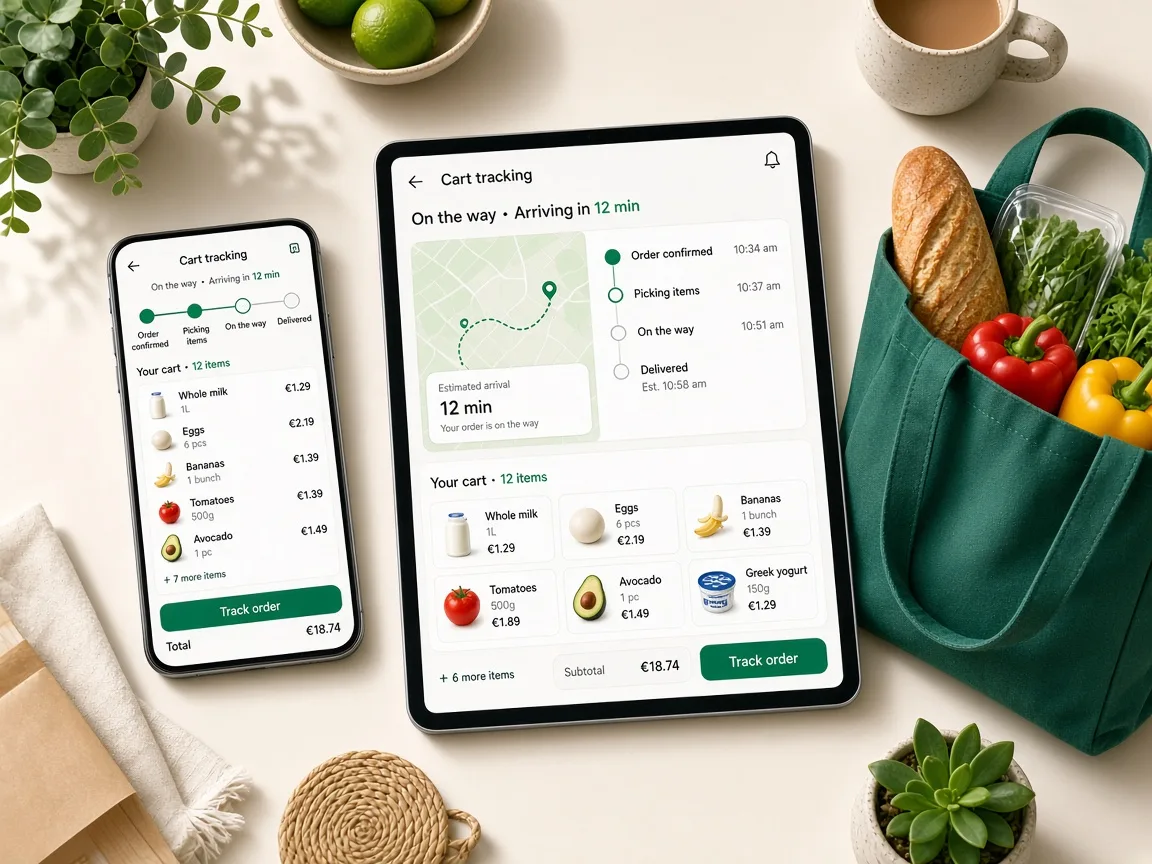
Customers can select products, review cart contents, confirm delivery details, and complete payments through a focused checkout flow.
Order Processing
Store teams can receive incoming orders, review item details, update preparation status, and manage fulfilment activity.
Delivery Tracking
Delivery teams can access assigned orders, review trip details, update status, and provide customers with delivery progress.
Operations Dashboard
Internal teams gain central visibility into customers, stores, orders, payments, inventory, and delivery activity through administrative tools.
Results
The Quick Commerce Delivery Platform launched with connected customer ordering, product management, inventory, checkout, payment, order processing, delivery, and operational workflows. The delivered solution brought the core fulfilment lifecycle into one structured digital environment.
Store teams gained dedicated tools for managing products, inventory, incoming orders, and preparation status. Operations teams also gained central visibility across platform activity, creating more consistent workflows for monitoring orders and fulfilment performance.
Customers gained a focused journey from product discovery through checkout and delivery tracking. Clear product information, cart controls, payment steps, and visible order status helped users understand progress throughout the fulfilment process.
The platform created a foundation for further quick commerce development. Its service architecture can support additional product categories, store capabilities, delivery options, payment methods, fulfilment workflows, and operational features as the platform evolves.

Development Process
Explore
- Journey Mapping
- Commerce Research
- Requirement Analysis
- Wireframe Creation
- UI UX Design
- Flow Validation
Implement
- App Development
- Backend Development
- API Development
- Payment Services
- Delivery Services
- Inventory Services
Execute
- Functional Testing
- Performance Testing
- Security Review
- Production Setup
- Release Monitoring
- Journey Optimization
Typography & colors
Plus Jakarta Sans
ABCDEFGHIJKLMNOPQRSTUVWXYZ
abcdefghijklmnopqrstuvwxyz
1234567890
Primary
#059669
Secondary
#34D399
Tertiary Color
#D1FAE5
Icons Color
#64748B
Text Color
#0F172A
Background Color
#FFFFFF
App Visuals
QuickCart
Essentials in minutes
Nearby
Fast essentials
Checkout
Your bag
Live
Rider packing
Order #7712 · QuickMart
Track orderAlerts
Order updates
Almost there
Create account
Tech Stack
React Native supported the customer and delivery mobile applications with shared development across platforms. Node.js powered backend services for products, orders, inventory, payments, and delivery workflows. PostgreSQL handled structured commerce and transaction data, while Elasticsearch supported fast product search. Google Cloud provided scalable infrastructure, deployment, monitoring, and application hosting.
- React Native
- Node.js
- PostgreSQL
- Elasticsearch
- Google Cloud
Build A Faster Food Delivery Experience
Talk with Abhineh Infotech about creating connected ordering, inventory, payment, delivery, and fulfilment experiences for quick commerce platforms.
Talk to Our Experts