
Case Study
Manufacturing Warehouse Platform
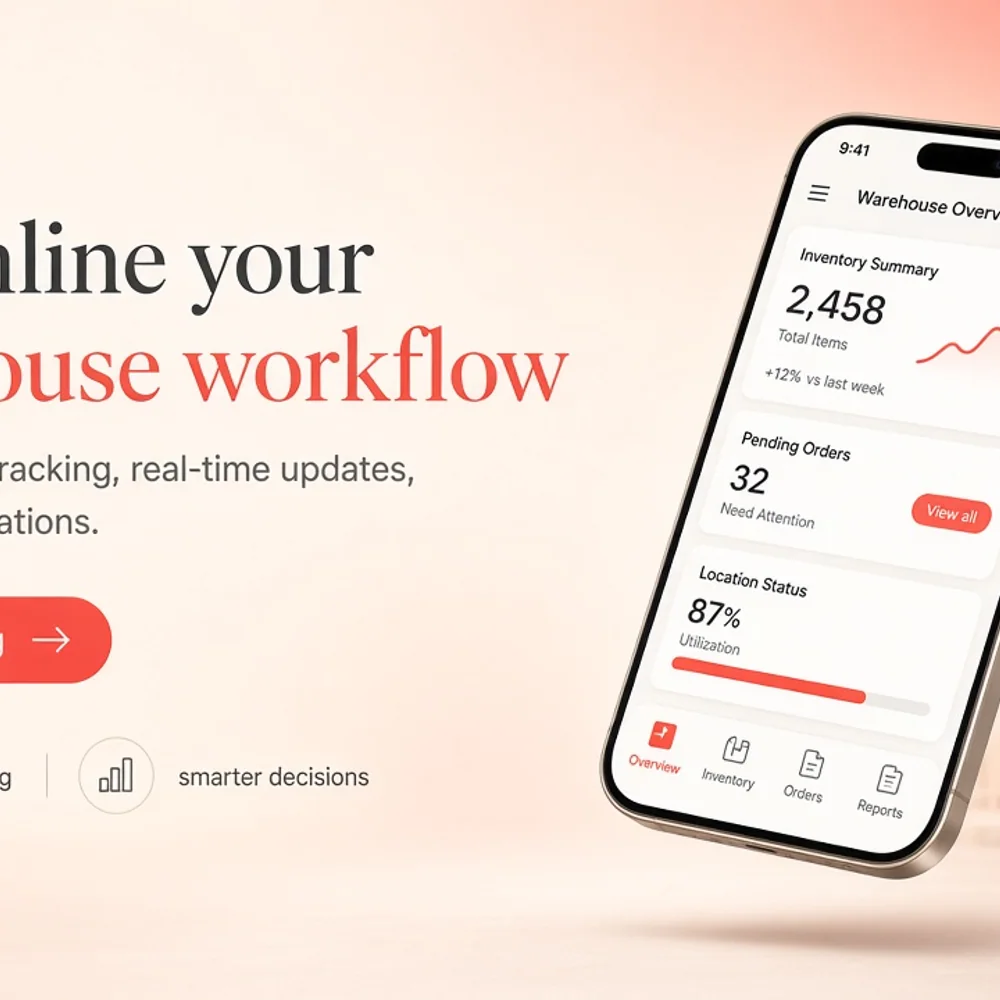
Manufacturing Warehouse Platform helps production teams manage inventory, warehouse movement, stock visibility, and fulfilment workflows through one connected system.
- 9 MonthsDelivery Timeline
- 13 SpecialistsProject Team
- 11 Connected ModulesConnected Interfaces
Project Overview
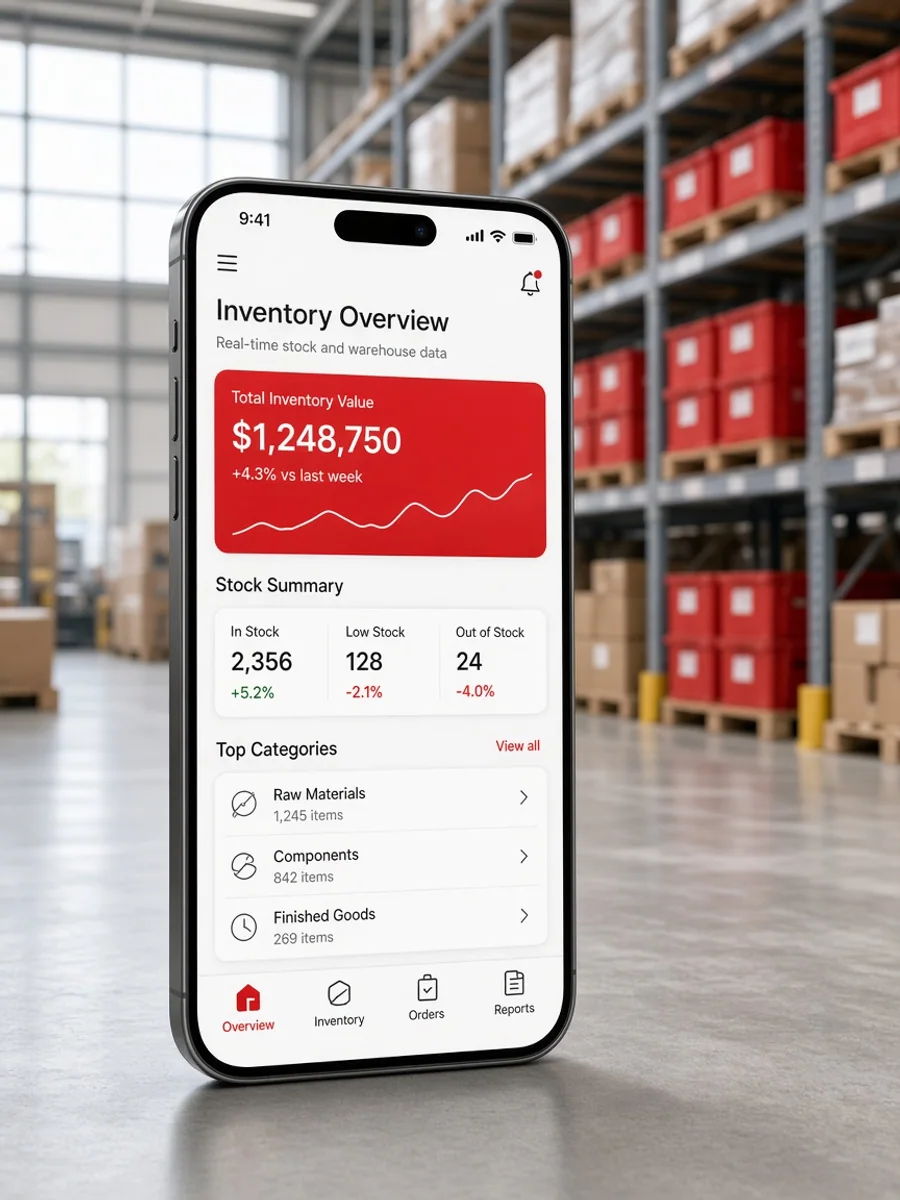
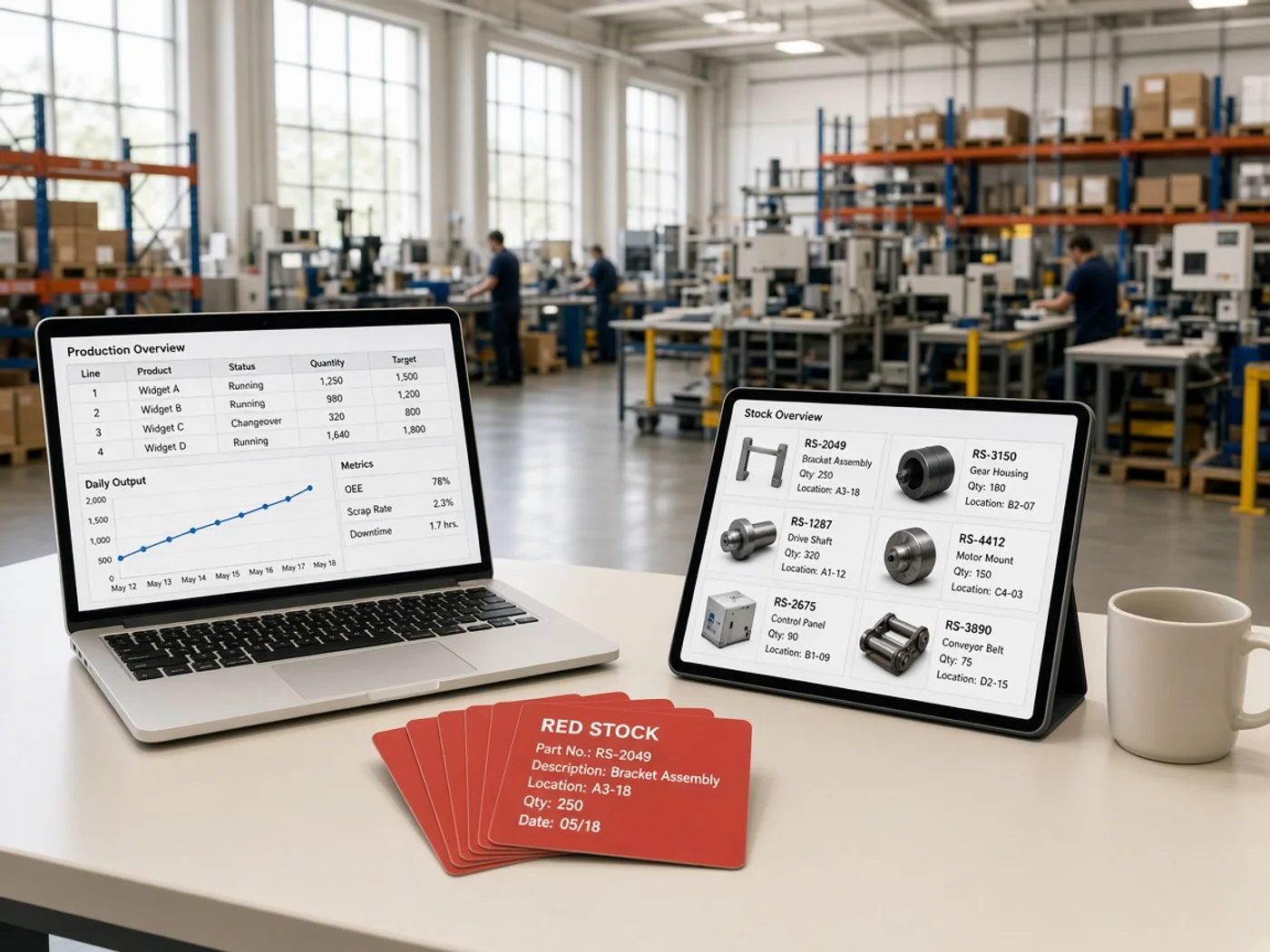
Manufacturing Warehouse Platform is a warehouse management solution designed to help manufacturing teams coordinate inventory, storage, material movement, and fulfilment activities. Warehouse staff can receive goods, update stock records, manage locations, process material requests, and track movement across facilities. Supervisors can monitor inventory levels, review warehouse activity, and manage operational workflows through dedicated interfaces. The platform was built to provide manufacturers with clearer stock visibility and more structured warehouse processes. Abhineh Infotech supported product planning, UI UX design, application development, inventory workflows, system integrations, testing, and deployment to create a reliable warehouse management foundation.
Project Idea
The platform was designed to give manufacturing teams better control over inventory, warehouse movement, material handling, and fulfilment through connected digital workflows.
Manufacturing warehouses handle continuous movement of raw materials, components, finished goods, and internal stock. When inventory information is distributed across separate processes, teams can spend additional time checking records and coordinating movements. The platform needed to centralise these activities while keeping warehouse operations practical for everyday use.
Abhineh Infotech connected receiving, inventory management, warehouse locations, material movement, stock requests, fulfilment, and operational reporting through a unified architecture. The approach aligned warehouse interfaces with backend services so stock changes could flow consistently across relevant workflows while giving supervisors better visibility into ongoing warehouse activity.
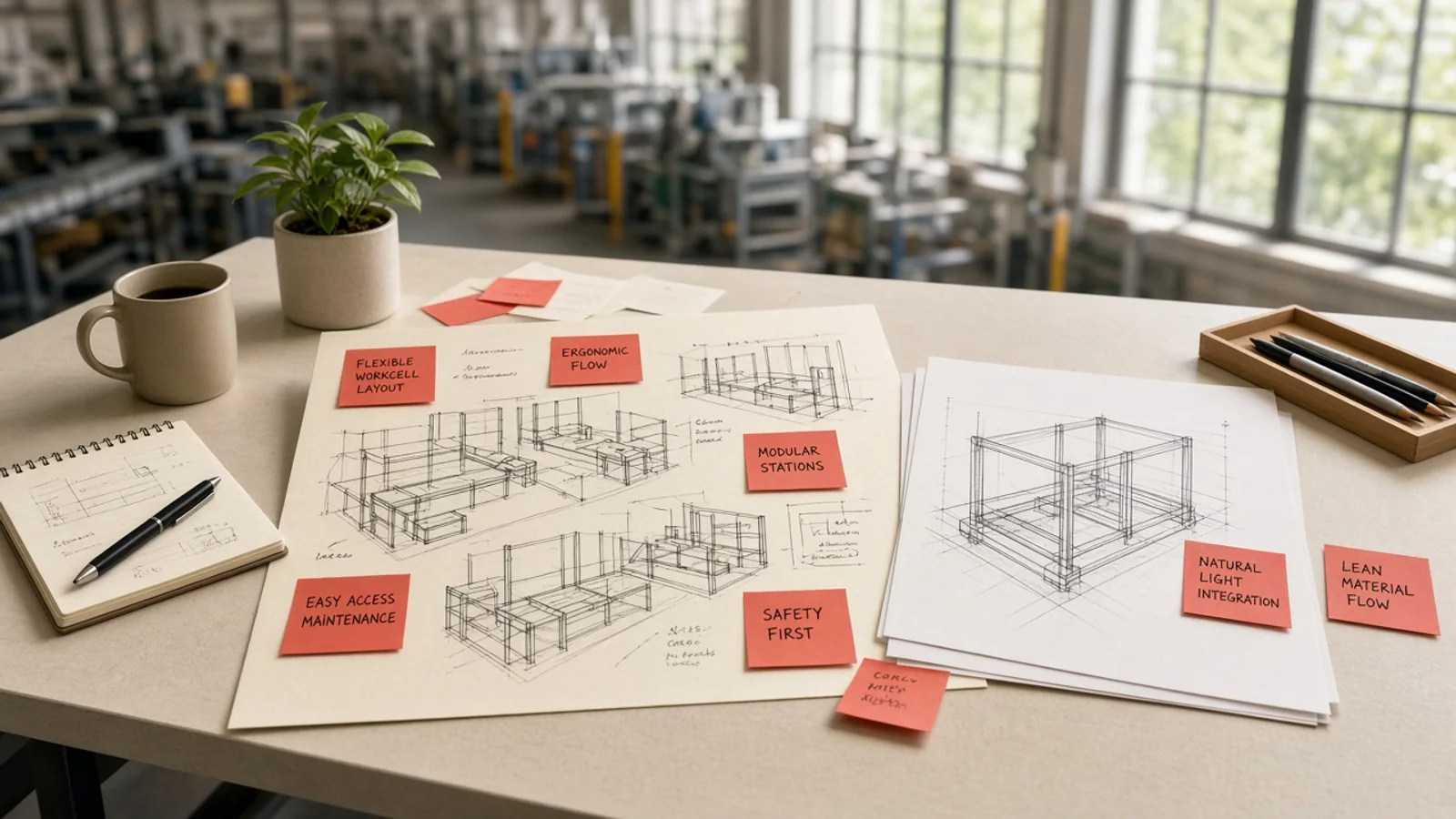
The product principle focused on clarity, speed, and confidence. Warehouse staff needed straightforward screens for scanning, receiving, moving, and updating stock. Supervisors needed broader operational visibility. Clear information hierarchy and focused workflows helped teams understand inventory status and complete warehouse tasks efficiently.
Challenges
The platform supported warehouse operators, supervisors, inventory teams, and manufacturing staff with different responsibilities. Operators required task focused workflows, while supervisors needed broader inventory visibility and control. The system had to provide appropriate information to each role without making routine warehouse activities difficult to complete.
Warehouse environments generate varied information across products, batches, quantities, locations, receipts, transfers, material requests, and fulfilment records. The platform needed structured data handling to maintain accurate inventory information as stock moved between receiving areas, storage locations, production areas, and dispatch points.
Manufacturing operations can create periods of high warehouse activity around production schedules, inbound deliveries, stock transfers, and dispatch cycles. The platform required efficient APIs, database operations, caching, and scalable infrastructure to maintain responsive inventory updates and warehouse workflows during periods of increased activity.
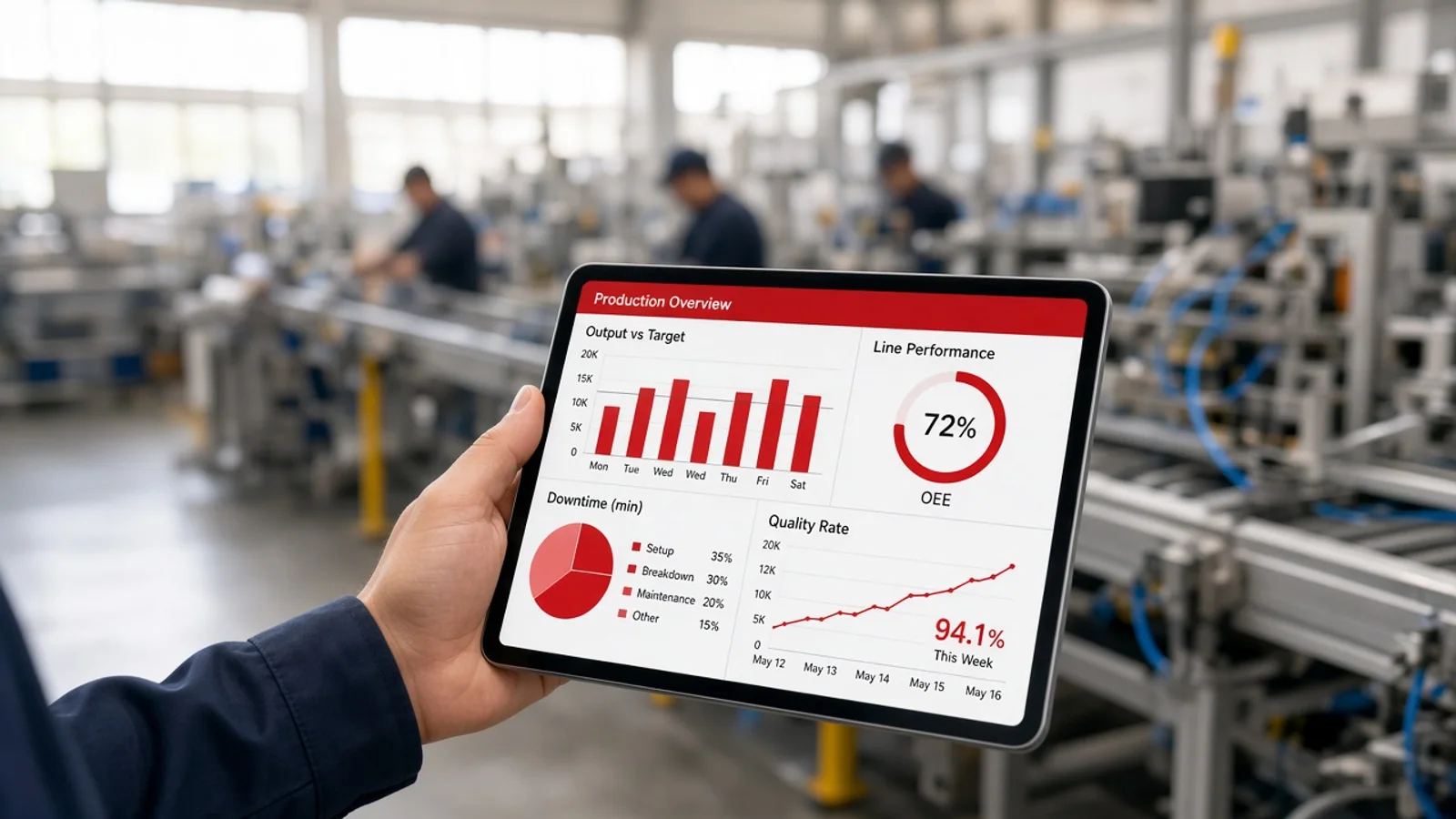
Project Milestones We Achieved
| Milestone | Tasks | Timeline | Responsible |
|---|---|---|---|
| Discovery and Planning | Mapped warehouse roles, inventory workflows, receiving processes, stock movement, fulfilment requirements, integrations, reporting needs, and technical architecture. | Month 1 | Product and Engineering Team |
| UI/UX Design | Designed inventory, receiving, warehouse location, stock movement, material request, fulfilment, and administrative interfaces. | Month 2 | UI UX Design Team |
| Core Development | Built authentication, inventory services, product records, warehouse locations, receiving, transfers, stock requests, APIs, and dashboard foundations. | Month 3 to 6 | Application Development Team |
| Integrations and Testing | Connected inventory interfaces and supporting services, validated stock workflows, tested APIs, reviewed data consistency, and performed load testing. | Month 7 to 8 | Integration and QA Team |
| Launch and Optimization | Prepared production infrastructure, completed final validation, monitored warehouse activity, resolved issues, and refined inventory workflows. | Month 9 | Engineering and Delivery Team |
Project Features
Manufacturing Warehouse Platform connects inventory control, receiving, stock movement, warehouse locations, material requests, and operational monitoring through structured warehouse workflows.
Inventory Management
Teams can maintain product records, quantities, stock status, and inventory information across warehouse operations.
Goods Receiving
Warehouse staff can record incoming materials, verify quantities, update stock, and maintain receiving information through structured workflows.
Warehouse Locations
Teams can manage storage locations and associate inventory with specific warehouse areas for clearer stock visibility.
Stock Transfers
Staff can move inventory between locations and update transfer information while maintaining consistent stock records.
Material Requests
Manufacturing teams can submit material requests and track fulfilment activity through connected warehouse workflows.
Operations Dashboard
Supervisors gain central visibility into inventory, warehouse activity, transfers, receiving, requests, and fulfilment operations.
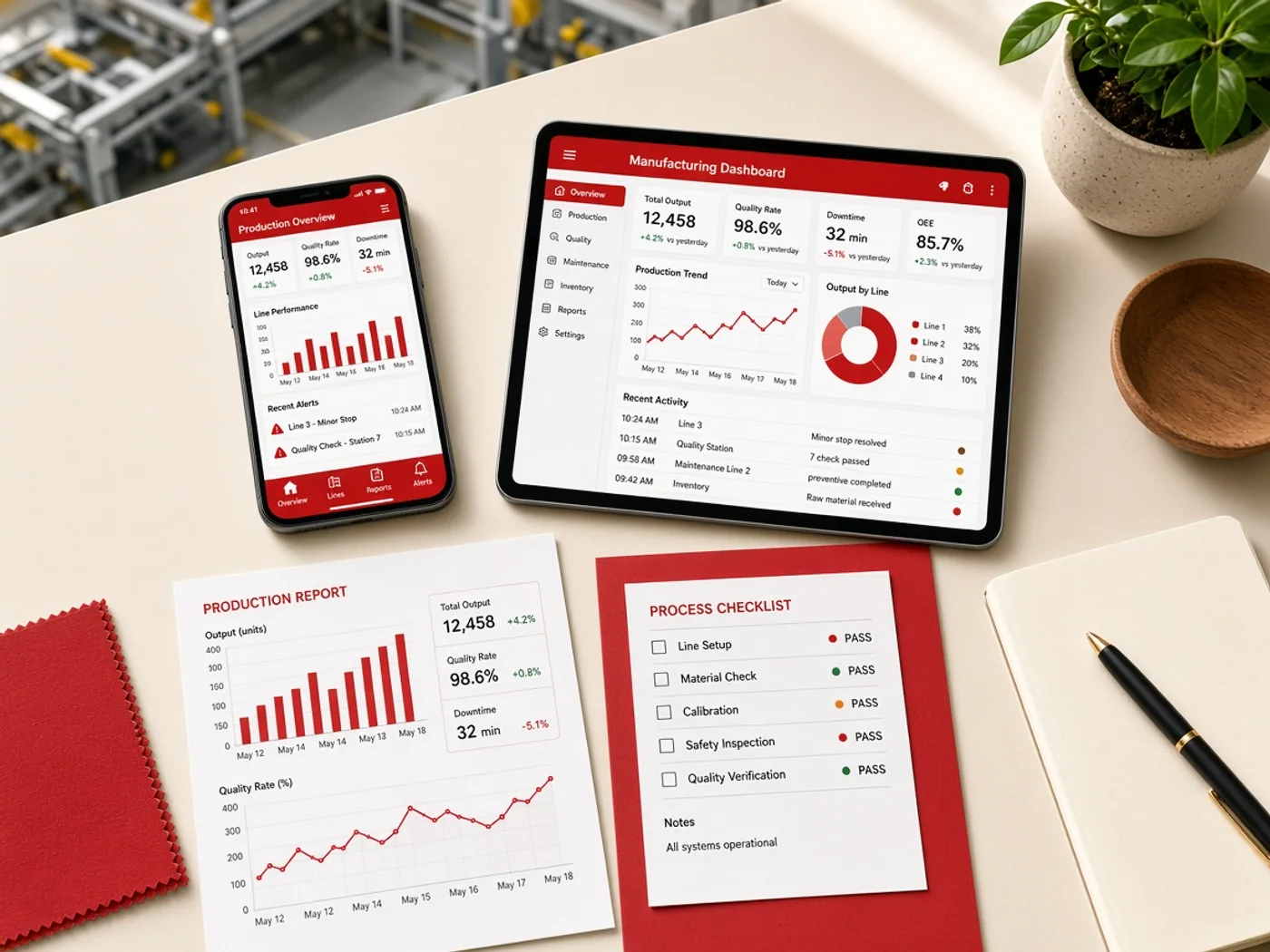
Results
Manufacturing Warehouse Platform launched as a connected warehouse management solution covering inventory, receiving, locations, stock transfers, material requests, fulfilment, and operational monitoring. The delivered system brought essential warehouse processes into one structured digital environment.
Centralised inventory information gave warehouse and manufacturing teams clearer visibility into stock quantities, locations, movements, and requests. Supervisors could review operational activity through dedicated tools, creating more consistent processes for monitoring warehouse performance and managing daily tasks.
Warehouse staff gained focused workflows for receiving goods, updating inventory, moving stock, and processing material requests. Clear status information and structured interfaces helped reduce unnecessary navigation and made routine warehouse activities easier to follow.
The architecture created a foundation for continued warehouse automation and manufacturing integration. Future development can extend barcode scanning, purchase order workflows, production planning, supplier connectivity, advanced reporting, and additional warehouse capabilities as operational requirements grow.

Development Process
Explore
- Warehouse Mapping
- Process Analysis
- Requirement Planning
- Workflow Wireframes
- UI UX Design
- Interface Validation
Implement
- Mobile Development
- Backend Development
- API Development
- Inventory Services
- Data Systems
- Reporting Services
Execute
- Workflow Testing
- Load Testing
- Data Validation
- Infrastructure Setup
- Activity Monitoring
- Process Optimization
Typography & colors
Plus Jakarta Sans
ABCDEFGHIJKLMNOPQRSTUVWXYZ
abcdefghijklmnopqrstuvwxyz
1234567890
Primary
#DC2626
Secondary
#F87171
Tertiary Color
#FEE2E2
Icons Color
#64748B
Text Color
#0F172A
Background Color
#FFFFFF
App Visuals
ManuStore
Line feed ready
Materials
Request queue
Transfers
In progress
Live
Transfer #MW772
Raw → Staging
Confirm receiptAlerts
Plant alerts
Almost there
Create account
Tech Stack
Angular supported structured warehouse and administrative interfaces. Java Spring Boot powered backend services for inventory, receiving, transfers, fulfilment, and reporting. MySQL managed transactional warehouse data, while Apache Kafka handled event driven inventory updates between connected services. Microsoft Azure provided cloud infrastructure, application hosting, monitoring, and scalable deployment.
- Angular
- Java Spring Boot
- MySQL
- Apache Kafka
- Microsoft Azure
Build A Connected Warehouse Management Platform
Talk with Abhineh Infotech about building inventory, receiving, stock movement, fulfilment, and warehouse operations around your manufacturing workflows.
Talk to Our Experts