
Case Study
Live Audio Platform
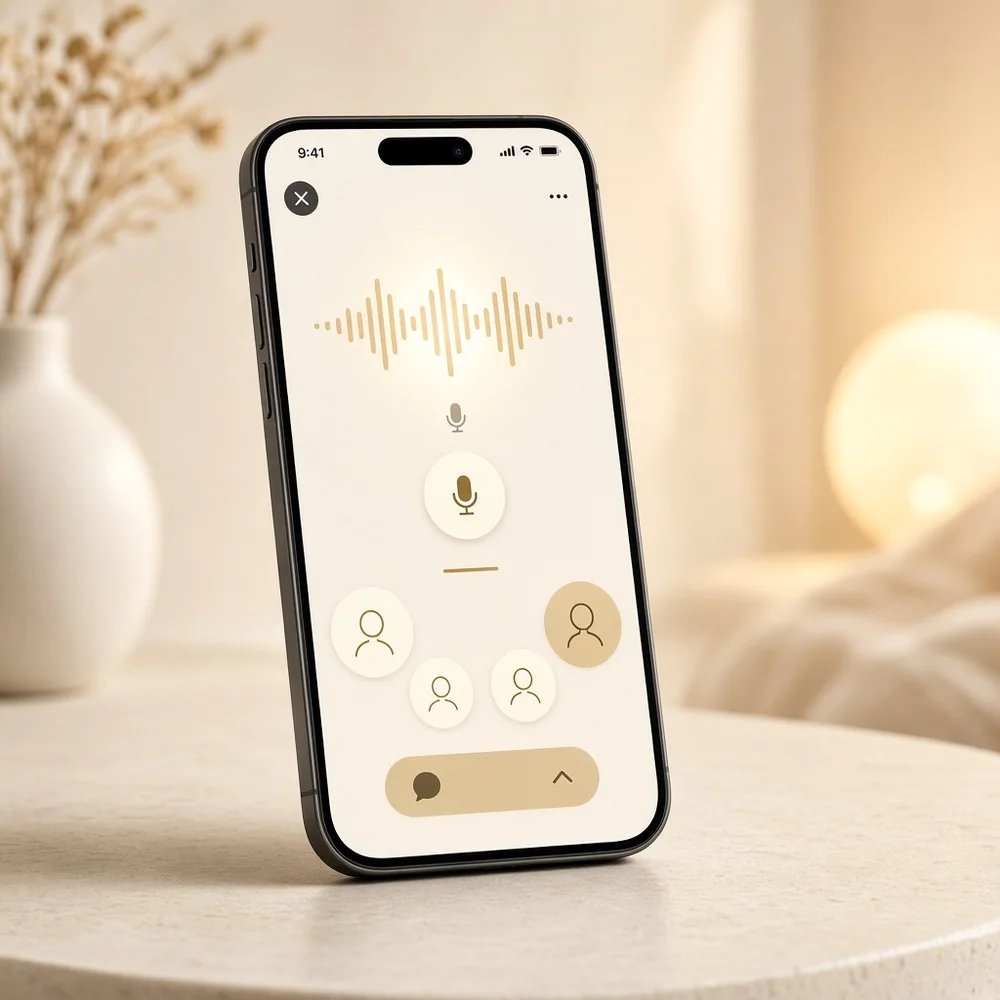
Live Audio Platform gives listeners and creators a focused space for live conversations, audio rooms, audience engagement, and community driven listening experiences.
- 5 MonthsDelivery Timeline
- 7 SpecialistsProject Team
- 4 Audio IntegrationsConnected Interfaces
Project Overview
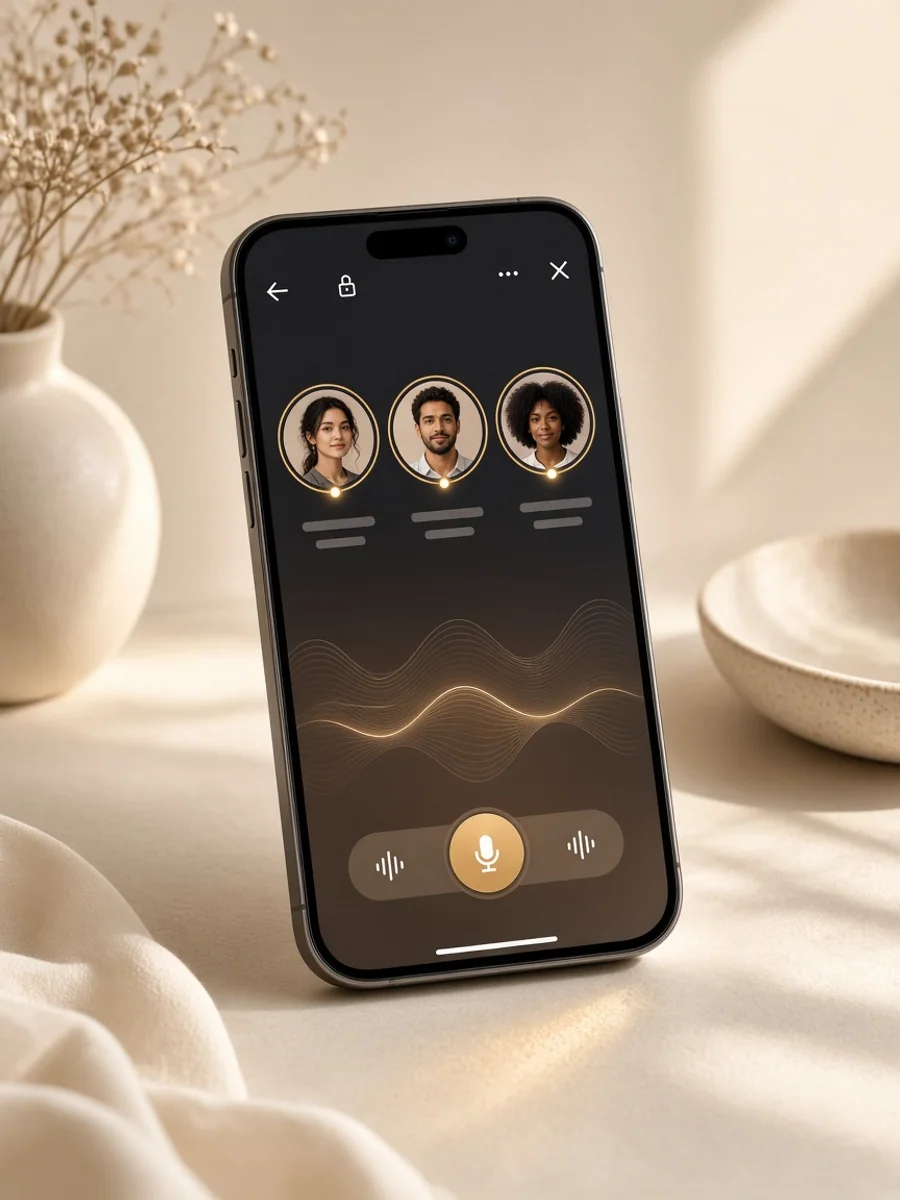
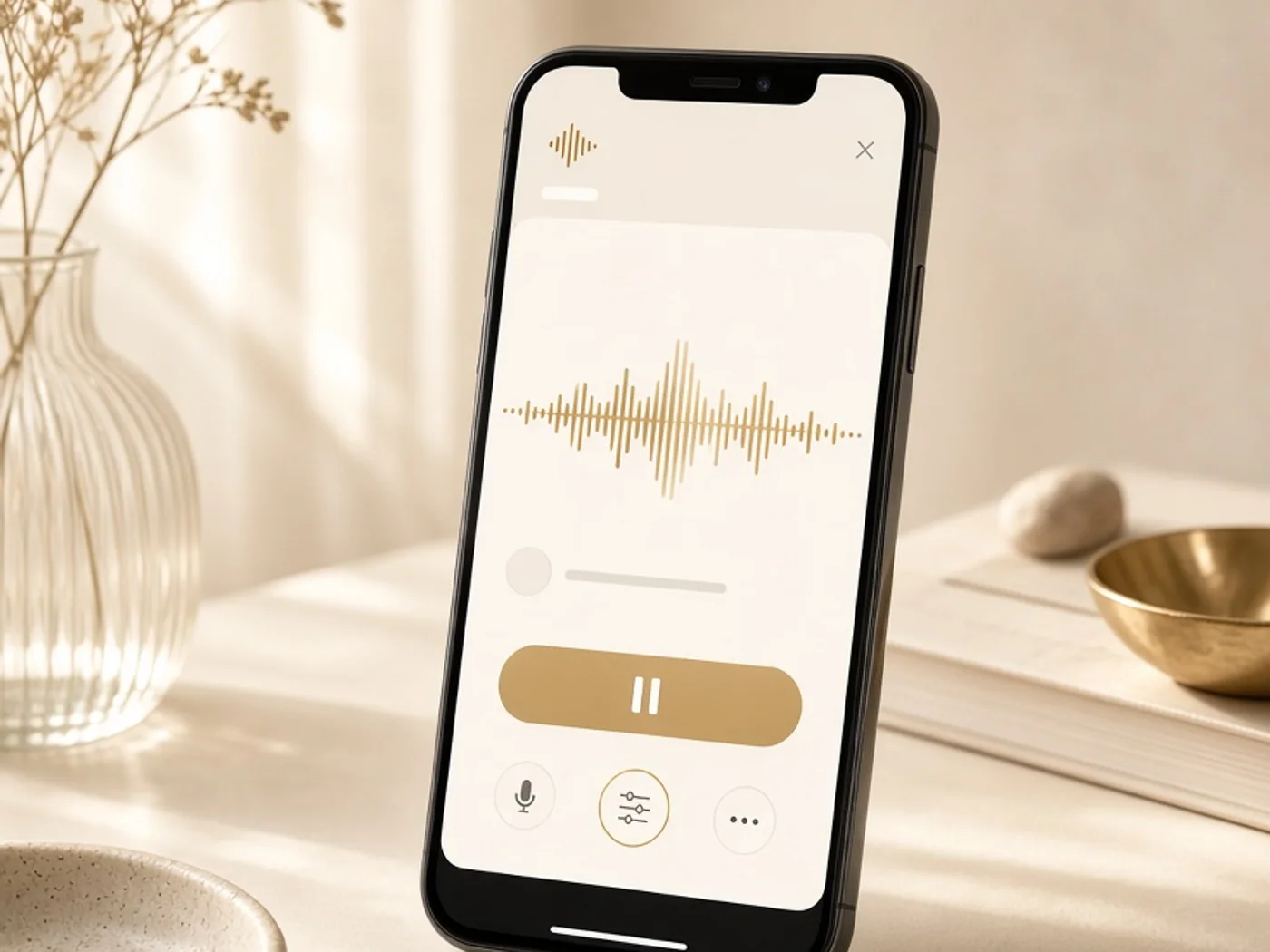
Live Audio Platform is a music and social audio product designed to let creators host live conversations while listeners discover and join audio sessions. Users can create profiles, explore live rooms, join conversations, follow creators, and interact with ongoing sessions. Hosts can create rooms, manage participants, control session settings, and review audience activity. Internal teams can oversee users, rooms, reports, and platform activity through administrative tools. The product was built to provide a focused live audio experience with reliable session management and clear controls. Abhineh Infotech supported product planning, UI UX design, development, audio integrations, testing, and deployment.
Project Idea
Live Audio Platform was designed to make live audio participation simple for listeners and creators while providing reliable controls for managing real time sessions.
Live audio experiences require several actions to happen together, including room creation, participant access, audio streaming, audience interaction, and session management. The platform needed to keep these workflows simple while supporting real time communication between hosts and listeners.
Abhineh Infotech connected creator profiles, live rooms, participant management, audio sessions, notifications, engagement features, and administrative controls through a unified product architecture. Real time services worked alongside application APIs to keep room information, participant activity, and session states aligned across the platform.
The product principle focused on clarity, speed, and confidence. Hosts needed accessible controls during live sessions, while listeners needed clear room information and simple participation flows. Focused layouts and visible session states helped users understand what was happening without distracting them from the live audio experience.
Challenges
The platform supported listeners, creators, moderators, and administrators with different responsibilities. Listeners needed simple discovery and participation tools, creators required controls for live sessions, and moderators needed access to participant and room management features.
Live audio generates continuously changing information across participants, rooms, reactions, follows, notifications, and session states. The platform needed efficient event handling and structured data management so changes could appear consistently across user interfaces without creating unnecessary delays.
Live sessions can create sudden increases in concurrent activity when popular rooms attract larger audiences. The platform required real time communication, efficient event processing, scalable infrastructure, and reliable audio services to maintain responsive participation during periods of higher listener activity.
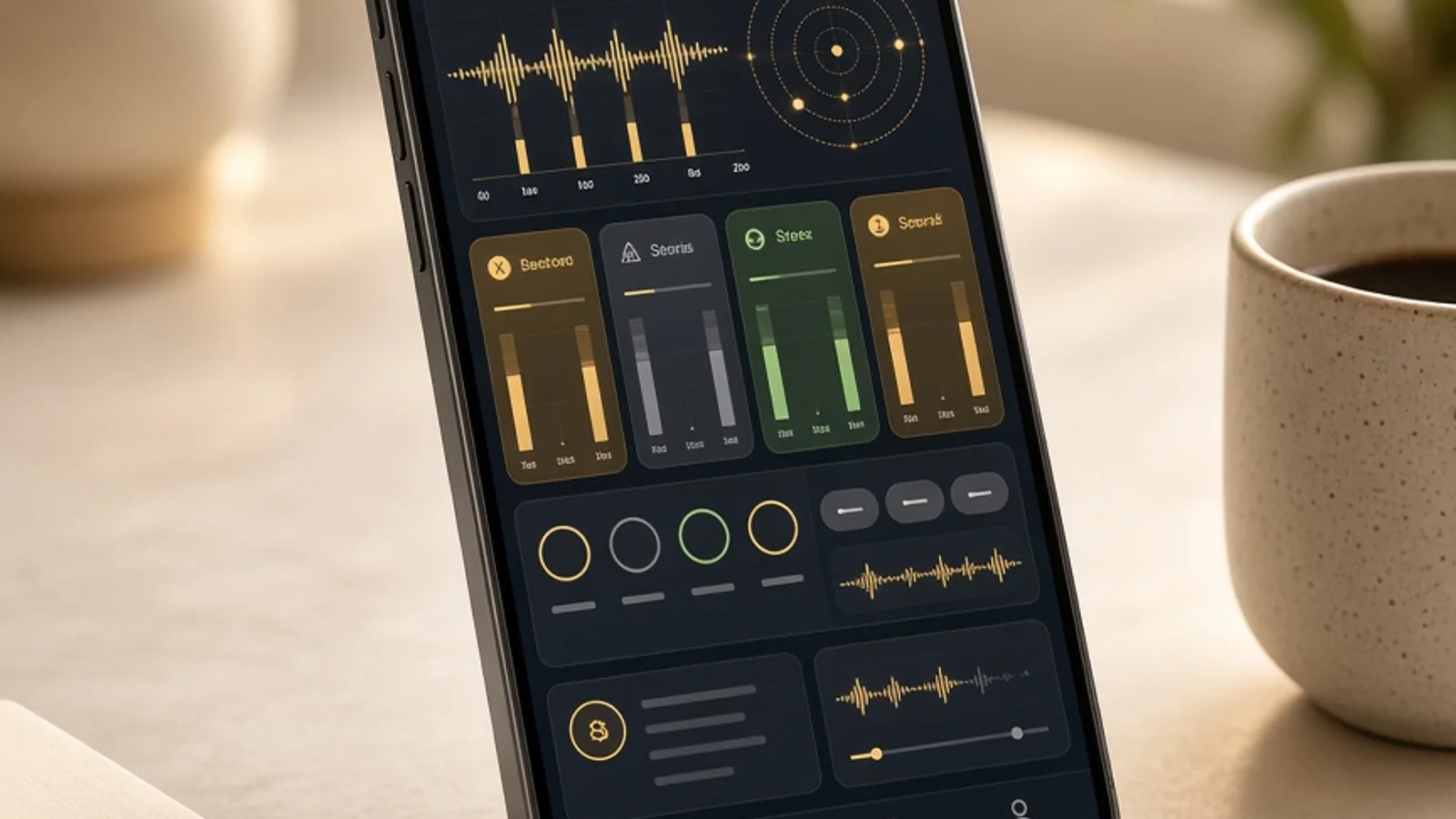
Project Milestones We Achieved
| Milestone | Tasks | Timeline | Responsible |
|---|---|---|---|
| Discovery and Planning | Mapped listener, creator, moderator, and administrator journeys, audio requirements, room workflows, engagement needs, integrations, and platform architecture. | Month 1 | Product and Engineering Team |
| UI/UX Design | Designed discovery, creator profiles, live rooms, participant controls, audio states, notifications, and administrative interfaces. | Month 2 | UI UX Design Team |
| Core Development | Built authentication, profiles, room creation, participant management, audio sessions, notifications, APIs, and moderation foundations. | Month 3 | Application Development Team |
| Integrations and Testing | Connected audio streaming and real time services, validated room workflows, tested concurrency, and performed functional and performance testing. | Month 4 | Integration and QA Team |
| Launch and Optimization | Prepared production infrastructure, completed final validation, monitored live sessions, resolved issues, and refined listener and creator journeys. | Month 5 | Engineering and Delivery Team |
Project Features
Live Audio Platform combines live rooms, creator tools, listener discovery, participant controls, notifications, and moderation capabilities within one focused audio experience.
Signup and Profile
Listeners and creators can create accounts, manage profiles, follow relevant users, and maintain information across their audio experience.
Live Audio Rooms
Creators can start live rooms, manage sessions, and host real time audio conversations with participating listeners.
Audio Discovery
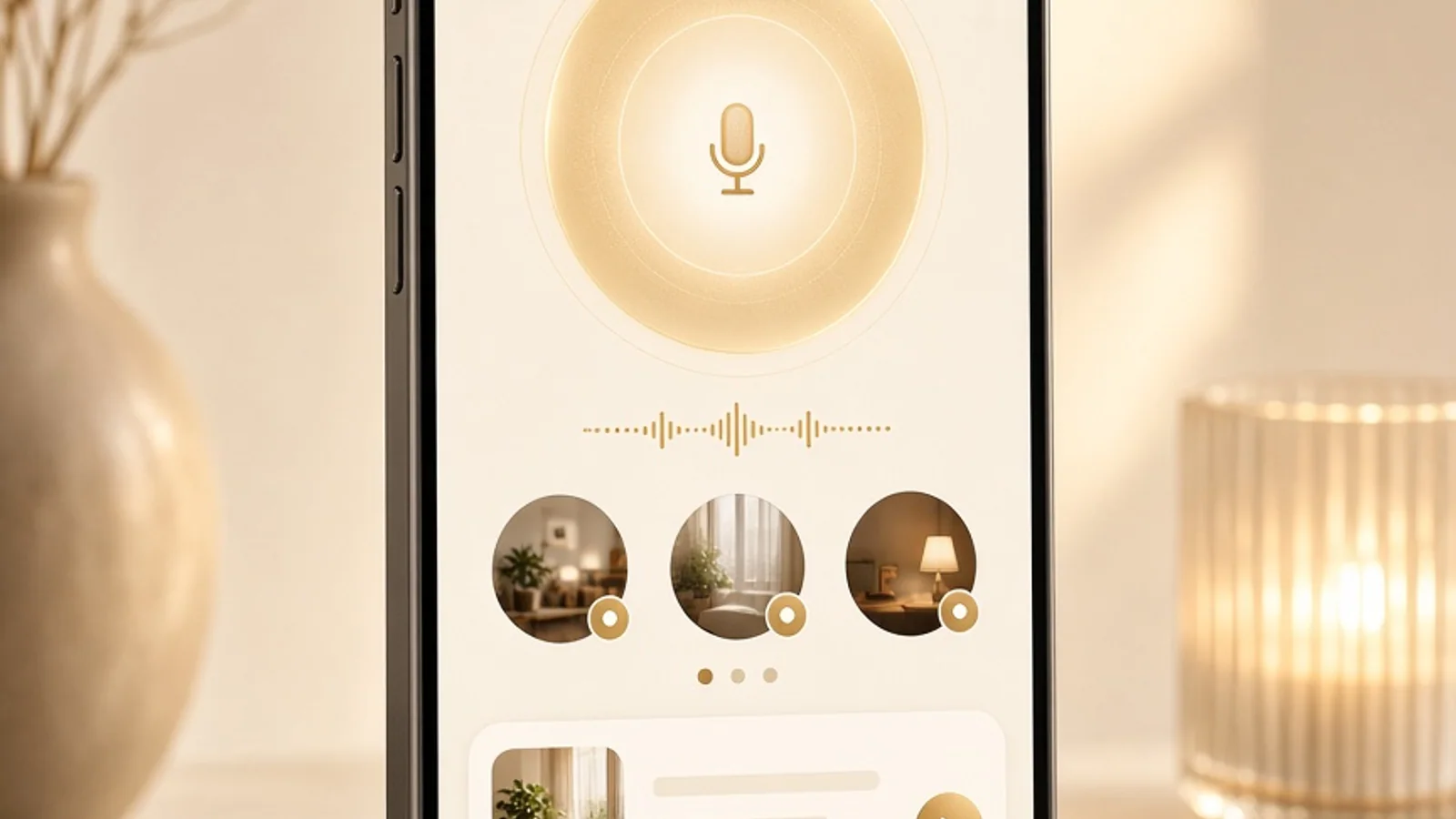
Listeners can explore active rooms, discover creators, and join relevant live conversations through focused discovery experiences.
Participant Controls
Hosts and moderators can manage participants, control access, and maintain organised interactions throughout active audio sessions.
Engagement and Notifications
Users receive activity updates and can interact with live sessions through focused engagement and notification features.
Moderation Dashboard
Internal teams can review users, rooms, reports, participation, and platform activity through central administrative controls.
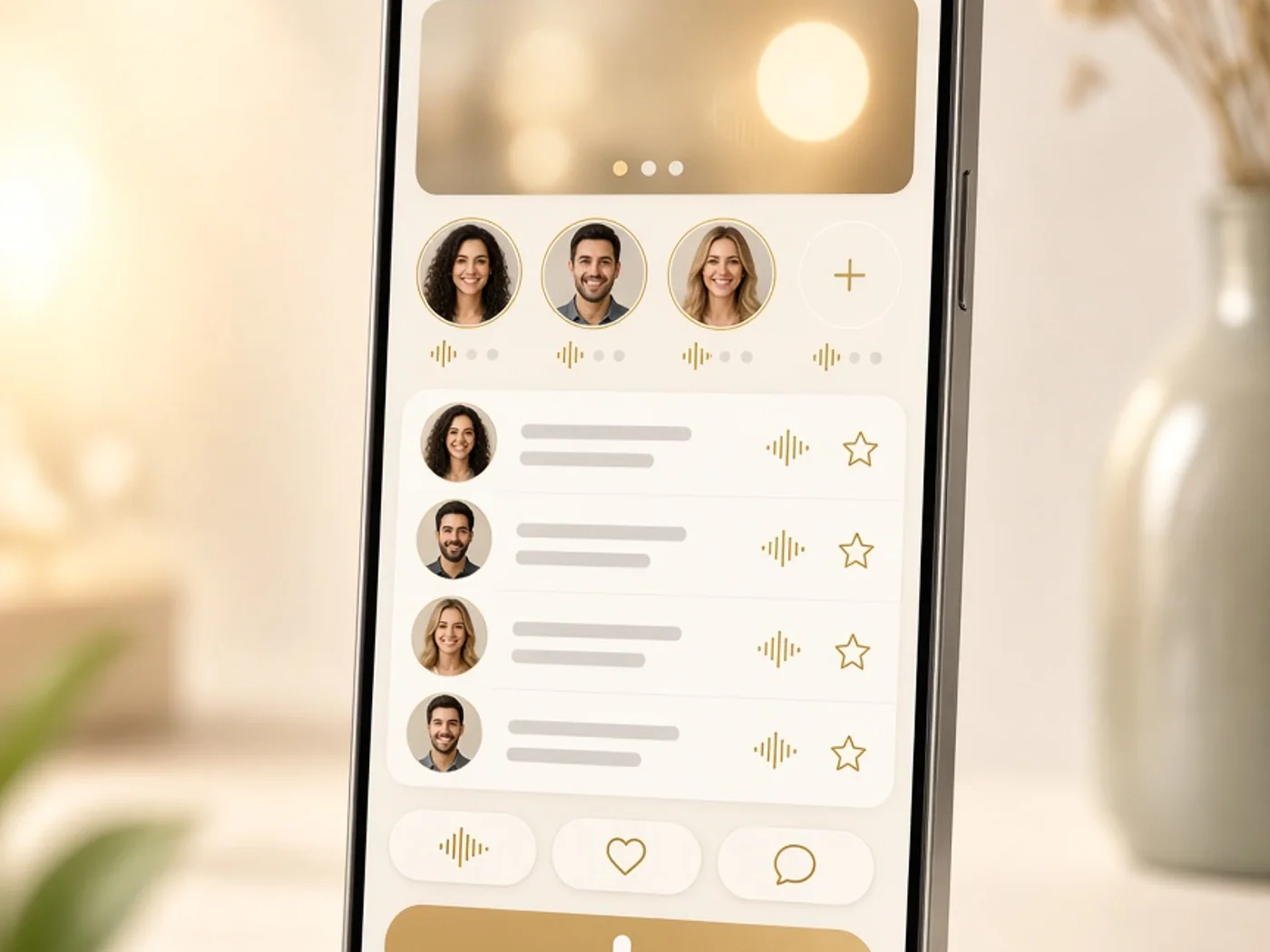
Results
Live Audio Platform launched with connected capabilities for creator profiles, live rooms, audio sessions, listener discovery, participant management, notifications, engagement, and moderation. The delivered product established a focused environment for real time audio interaction.
Centralised moderation and management tools gave internal teams better visibility into rooms, users, participation, and reported activity. This helped create more structured processes for monitoring live sessions and managing platform activity.
Listeners gained a clearer path from discovering active rooms to joining live conversations and following creators. Hosts received focused controls for starting sessions, managing participants, and maintaining room activity without unnecessary interface complexity.
The platform created a foundation for continued audio product development. Its architecture can support additional creator tools, audience engagement capabilities, audio formats, moderation functions, discovery features, and community experiences as the platform evolves.
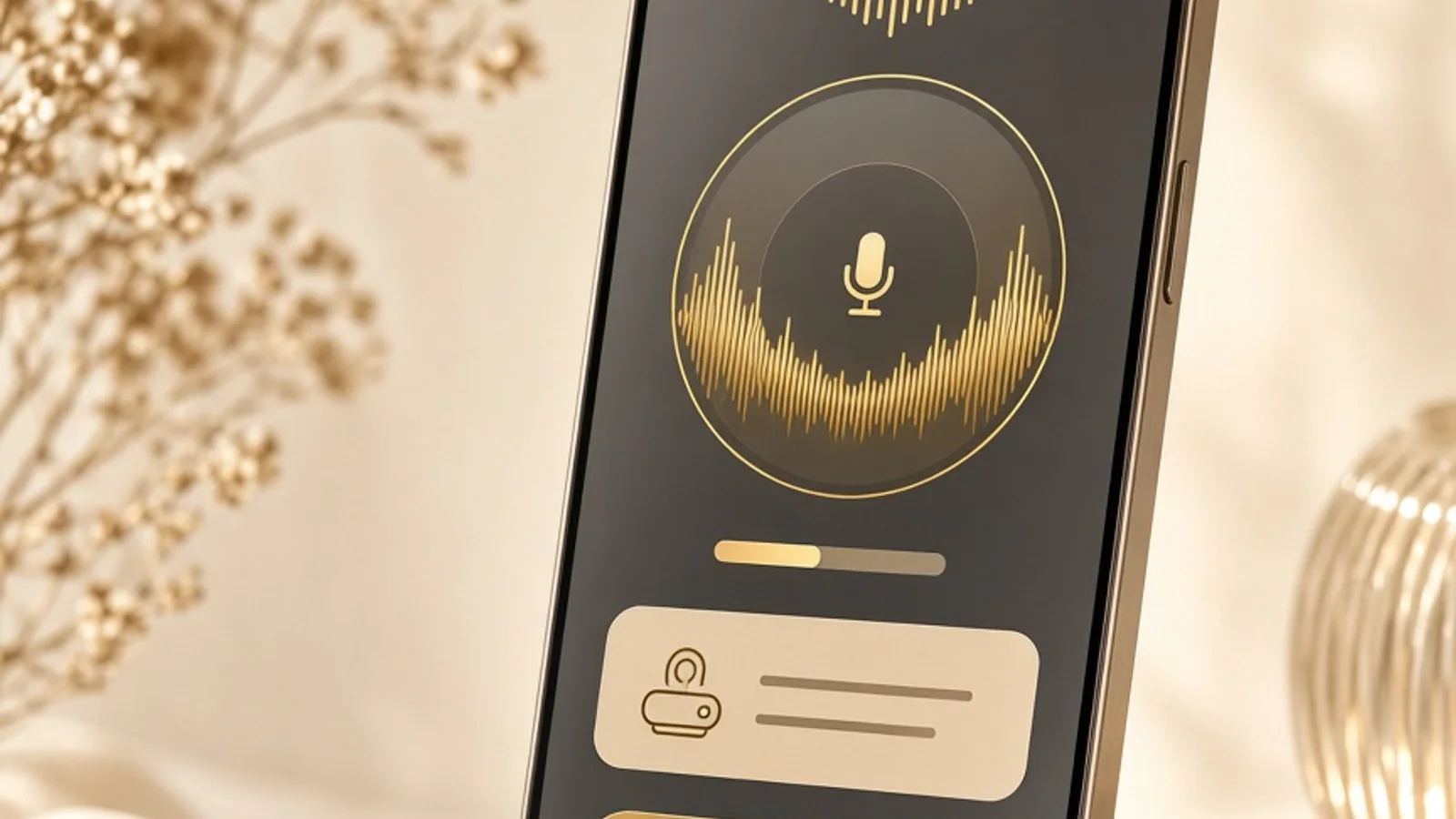
Development Process
Explore
- Audio Journey Mapping
- Creator Research
- Requirement Analysis
- Wireframe Creation
- UI UX Design
- Flow Validation
Implement
- Mobile Development
- Backend Development
- API Development
- Audio Streaming
- Real Time Services
- Notification Services
Execute
- Functional Testing
- Load Testing
- Audio Quality Testing
- Production Setup
- Session Monitoring
- Experience Optimization
Typography & colors
Plus Jakarta Sans
ABCDEFGHIJKLMNOPQRSTUVWXYZ
abcdefghijklmnopqrstuvwxyz
1234567890
Primary
#CA8A04
Secondary
#FDE047
Tertiary Color
#FEF9C3
Icons Color
#64748B
Text Color
#0F172A
Background Color
#FFFFFF
App Visuals
RoomCast
14 live
Live
Active rooms
Room
Session
Following
Creators
Rooms starting
OpenAlerts
Live notices
Almost there
Create profile
Tech Stack
React Native powered the listener and creator mobile applications. Python with FastAPI supported backend APIs and session services. PostgreSQL managed structured account and room data, while WebRTC enabled real time audio communication. Amazon ElastiCache supported fast session data access, and Amazon Web Services provided cloud infrastructure, deployment, monitoring, and scalable hosting.
- React Native
- Python FastAPI
- PostgreSQL
- WebRTC
- Amazon ElastiCache
- Amazon Web Services
Build A Scalable Live Audio Experience
Talk with Abhineh Infotech about building live audio products with creator tools, real time communication, discovery, engagement, and moderation.
Talk to Our Experts