
Case Study
Enterprise Podcast Platform
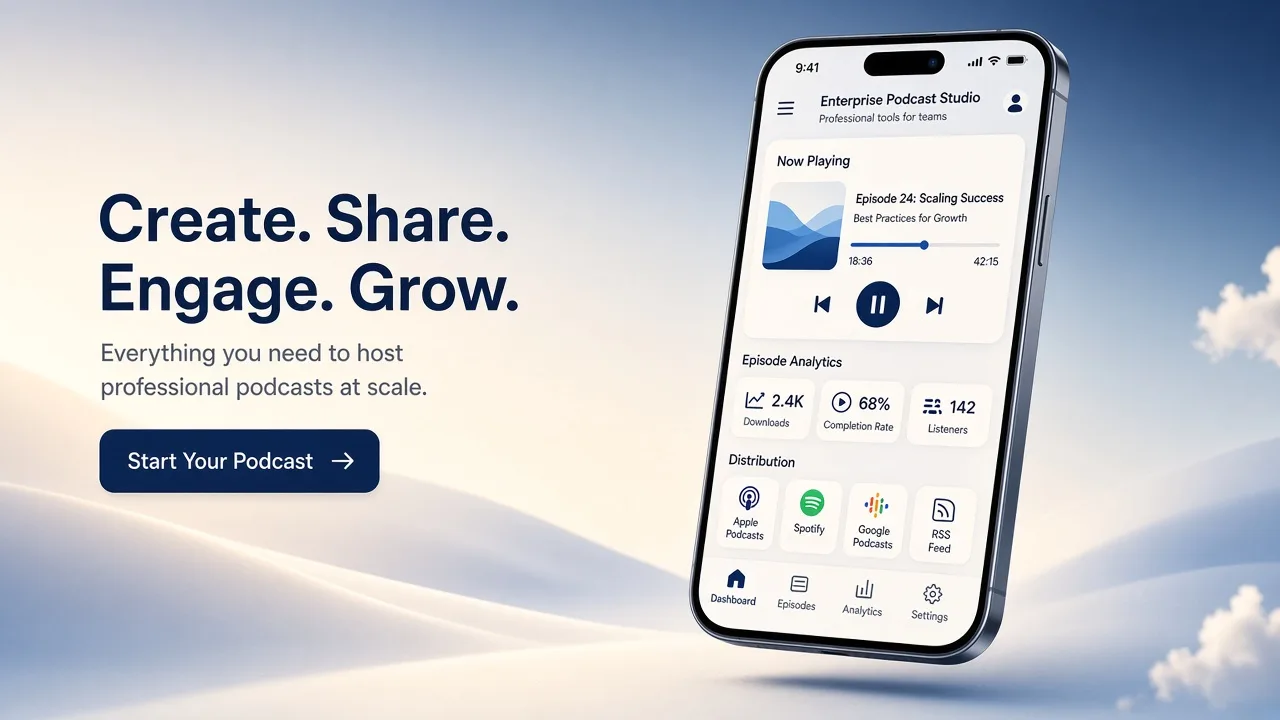
Enterprise Podcast Platform helps organisations create, manage, distribute, and analyse branded audio content through a structured podcast publishing experience.
- 5 MonthsDelivery Timeline
- 7 SpecialistsProject Team
- 4 IntegrationsConnected Interfaces
Project Overview
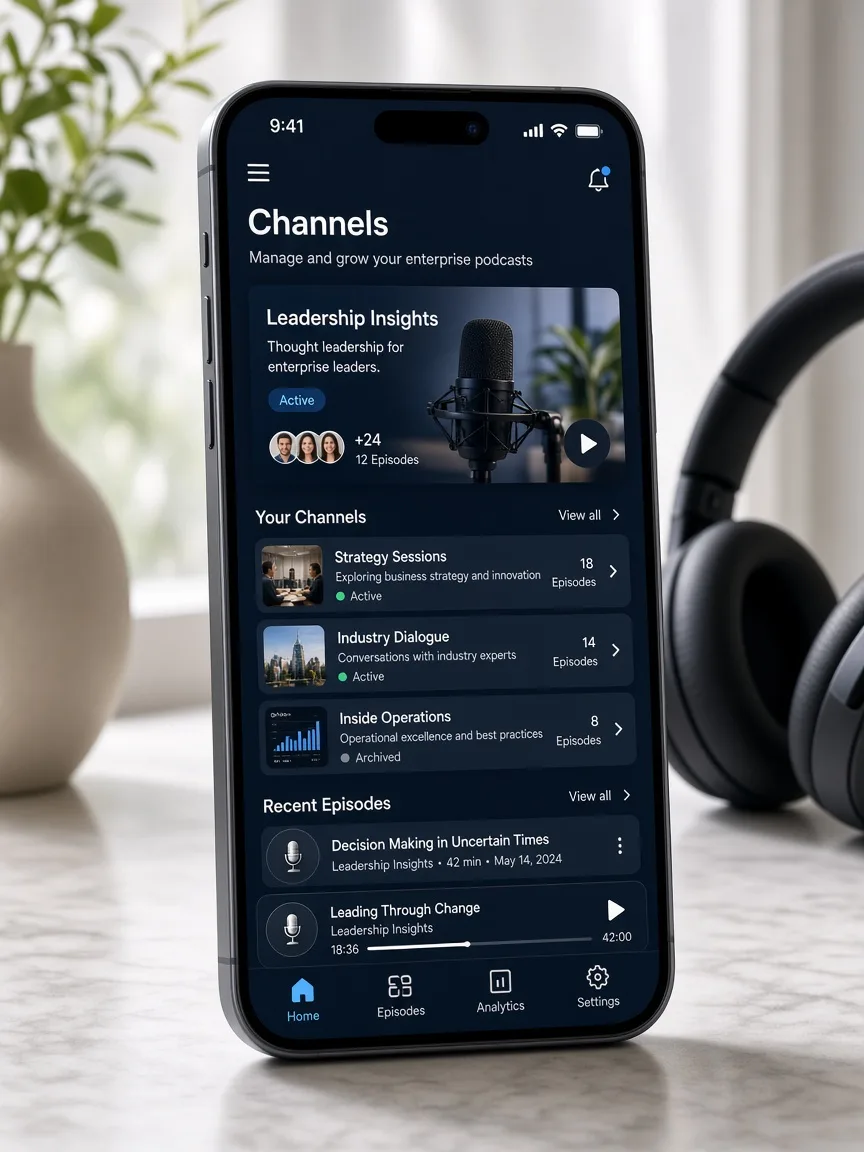
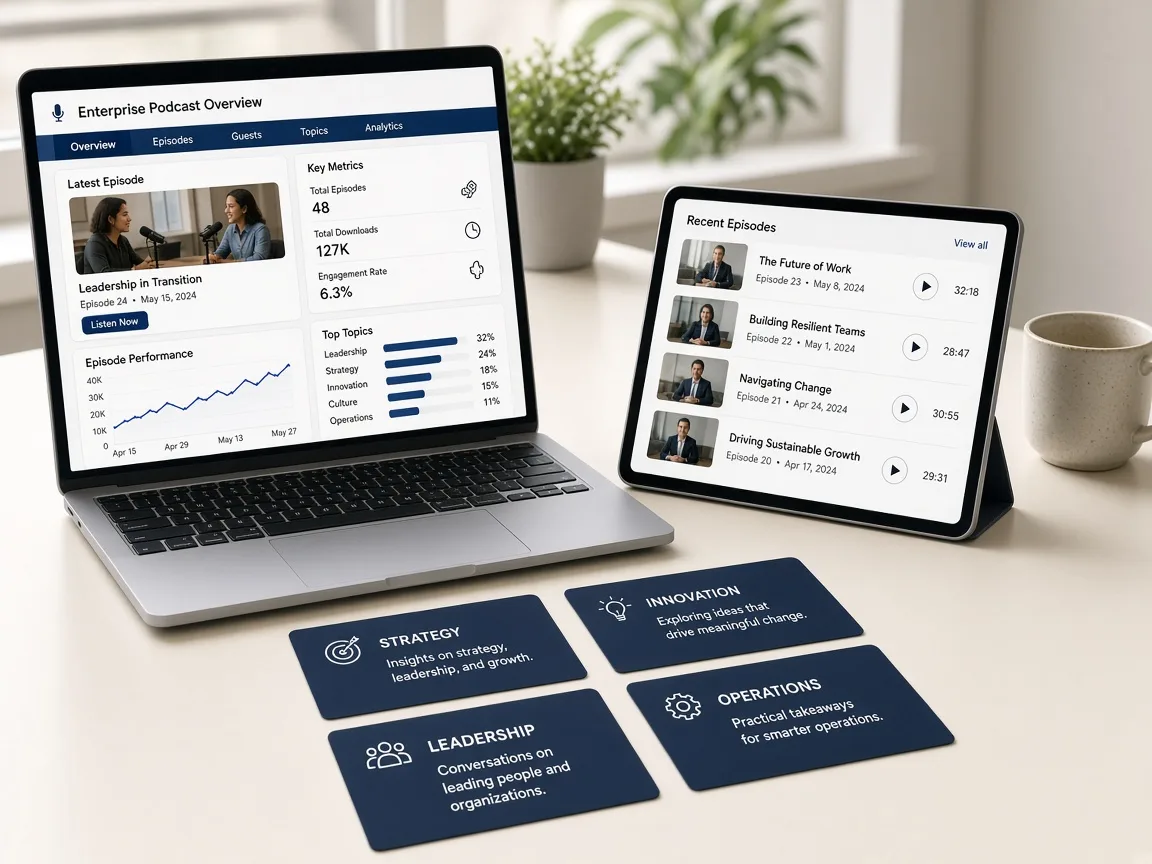
Enterprise Podcast Platform is a podcast management solution built for organisations producing and distributing branded audio content. Administrators can create podcast channels, manage episodes, upload media, organise content, and review publishing activity. Listeners can discover shows, browse episodes, stream audio, save content, and manage their profiles through a focused experience. Internal teams can oversee content, users, publishing activity, and platform performance from administrative tools. The product was built to bring podcast production and distribution workflows into one connected environment. Abhineh Infotech supported product planning, UI UX design, application development, integrations, testing, and deployment.
Project Idea
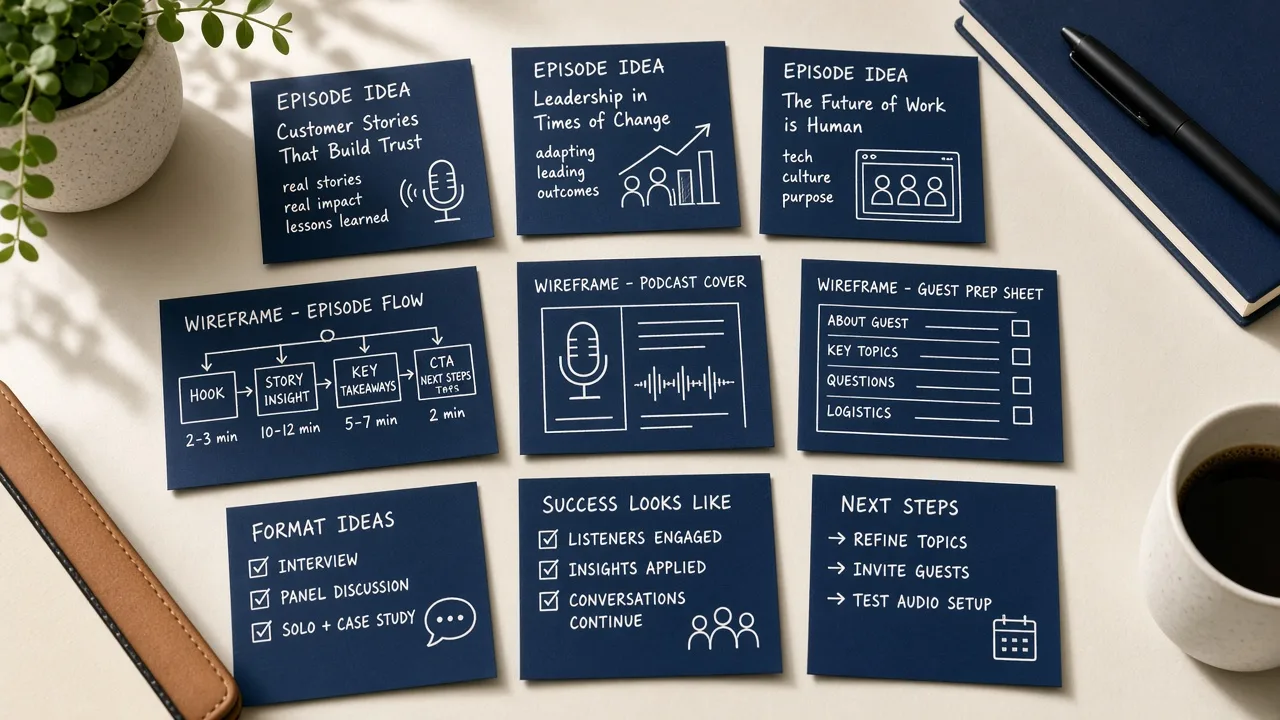
The platform was designed to simplify enterprise podcast management by connecting content creation, episode publishing, listener discovery, streaming, and administrative workflows.
Enterprise podcast operations often involve multiple stages, from preparing audio content and episode information to publishing, distribution, and listener engagement. Managing these activities across disconnected tools can make content operations harder to coordinate. The platform needed a central environment for managing podcast content and listener experiences.
Abhineh Infotech connected podcast channels, episode management, media uploads, publishing workflows, listener discovery, streaming, and administrative controls through a unified architecture. This allowed content information to move consistently between management interfaces and listener experiences while keeping publishing and consumption workflows clearly separated.
The product principle focused on clarity, speed, and confidence. Content teams needed straightforward publishing controls, while listeners needed simple discovery and streaming experiences. Clear content structures, accessible episode information, and consistent navigation helped users complete important actions without unnecessary steps.
Challenges
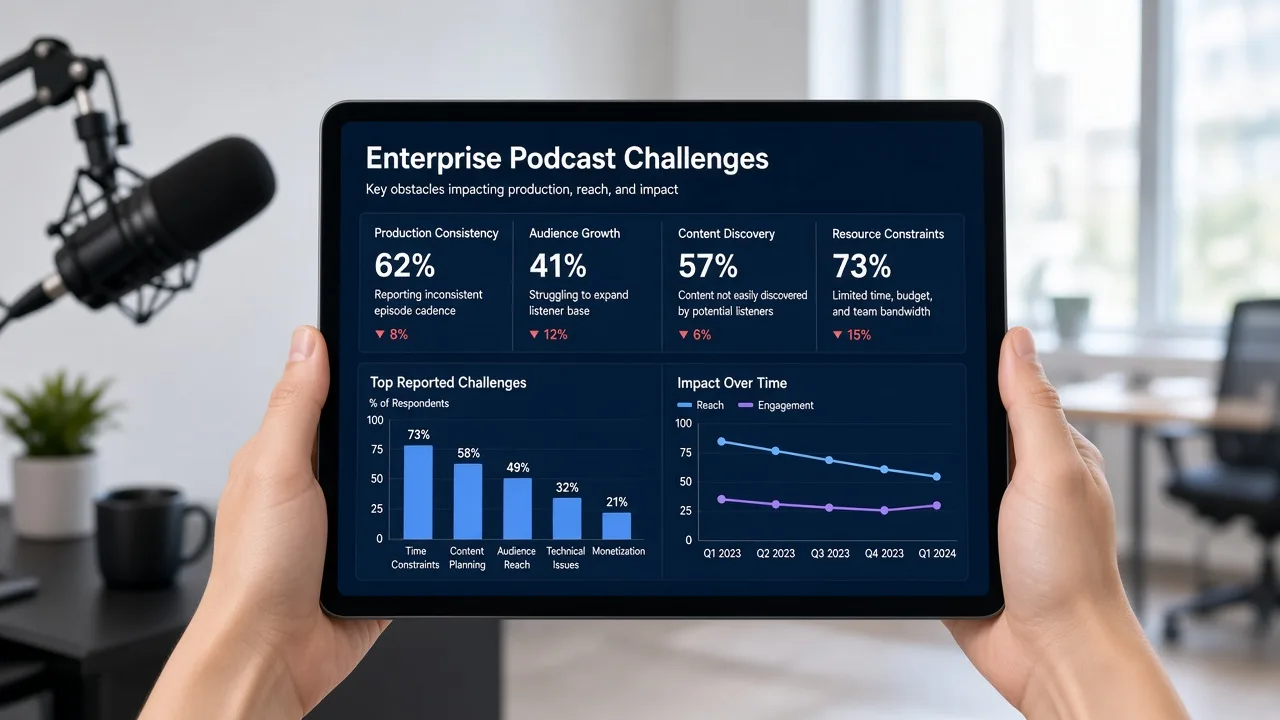
The platform supported content administrators, publishing teams, and listeners with different requirements. Administrators needed broad content and user controls, publishing teams required efficient episode management, and listeners needed simple tools for discovering and consuming podcast content.
Podcast platforms handle varied media and content information, including audio files, episode metadata, artwork, categories, descriptions, publishing schedules, listener profiles, and activity records. The system needed reliable media handling and structured data management across administrative and listener interfaces.
Audio streaming and content access can generate significant traffic when popular episodes are published or promoted. The platform required efficient APIs, media delivery, caching, and scalable infrastructure to maintain responsive browsing, playback, content management, and publishing workflows during higher activity periods.
Project Milestones We Achieved
| Milestone | Tasks | Timeline | Responsible |
|---|---|---|---|
| Discovery and Planning | Mapped administrator, publisher, and listener journeys, content requirements, media workflows, publishing needs, integrations, and technical architecture. | Month 1 | Product and Engineering Team |
| UI/UX Design | Designed podcast discovery, channel, episode, playback, content management, publishing, profile, and administrative interfaces. | Month 2 | UI UX Design Team |
| Core Development | Built authentication, podcast channels, media uploads, episode management, streaming workflows, profiles, APIs, and dashboard foundations. | Month 3 | Application Development Team |
| Integrations and Testing | Connected media and distribution services, validated publishing workflows, tested playback, reviewed APIs, and performed performance testing. | Month 4 | Integration and QA Team |
| Launch and Optimization | Prepared production infrastructure, completed final validation, monitored content activity, resolved issues, and refined publishing and listening journeys. | Month 5 | Engineering and Delivery Team |
Project Features
The Enterprise Podcast Platform combines podcast management, media publishing, listener discovery, audio streaming, content organisation, and administration in one connected digital experience.
Podcast Channels
Administrators can create and organise podcast channels with descriptions, artwork, categories, and relevant publishing information.
Episode Management
Content teams can upload episodes, manage metadata, organise content, and prepare audio for publishing through dedicated tools.
Audio Streaming
Listeners can stream published episodes through a focused playback experience designed for smooth and accessible content consumption.
Content Discovery
Listeners can browse podcast channels, explore episode categories, and find relevant audio content through organised discovery experiences.
Publishing Controls
Publishing teams can manage episode status, publishing information, content organisation, and release workflows from one interface.
Operations Dashboard
Internal teams gain visibility into users, podcast channels, episodes, publishing activity, and platform information through administrative controls.

Results
Enterprise Podcast Platform launched as a connected solution covering podcast channels, episode management, media uploads, publishing, discovery, streaming, profiles, and administration. The delivered product brought key podcast operations into one structured environment.
Centralised content management gave publishing teams clearer control over podcast channels, episodes, metadata, and publishing activity. Administrative tools also provided broader visibility into users and content, helping teams manage routine platform operations more consistently.
Listeners gained a more organised experience for discovering podcast channels, browsing episodes, and streaming audio. Clear content structures and focused playback workflows helped users move from discovery to listening with fewer unnecessary steps.
The platform established a foundation for continued enterprise podcast development. Its architecture can support additional distribution capabilities, audience features, content analytics, subscription models, personalised discovery, and expanded publishing workflows as requirements evolve.

Development Process
Explore
- Audience Research
- Content Mapping
- Requirement Analysis
- Wireframe Creation
- UI UX Design
- Flow Validation
Implement
- Mobile Development
- Backend Development
- API Development
- Media Services
- Distribution Services
- Storage Services
Execute
- Playback Testing
- Load Testing
- Security Review
- Production Setup
- Usage Monitoring
- Content Optimization
Typography & colors
Plus Jakarta Sans
ABCDEFGHIJKLMNOPQRSTUVWXYZ
abcdefghijklmnopqrstuvwxyz
1234567890
Primary
#1E3A8A
Secondary
#3B82F6
Tertiary Color
#DBEAFE
Icons Color
#64748B
Text Color
#0F172A
Background Color
#FFFFFF
App Visuals
EnterpriseCast
Channels ready
Channels
Brand shows
Publish
Release queue
Live
Channel #EP01
Episode streaming
View reportAlerts
Ops alerts
Almost there
Create account
Tech Stack
Next.js supported the web based listener and administration experiences with efficient rendering and responsive interfaces. Laravel powered backend services for users, podcasts, episodes, and publishing workflows. MySQL managed structured platform data, while Cloudflare handled content delivery and media distribution. Azure Blob Storage provided scalable storage for uploaded audio and podcast assets.
- Next.js
- Laravel
- MySQL
- Cloudflare
- Azure Blob Storage
Build An Enterprise Podcast Platform
Talk with Abhineh Infotech about building podcast publishing, streaming, discovery, content management, and administrative experiences.
Talk to Our Experts