

Case Study
Enterprise Healthcare Ecosystem
Enterprise Healthcare Ecosystem connects patients, clinicians, administrators, and healthcare services through coordinated digital workflows, records, appointments, communication, and operational tools.
- 9 MonthsDelivery Timeline
- 14 SpecialistsProject Team
- 12 IntegrationsConnected Interfaces

Project Overview
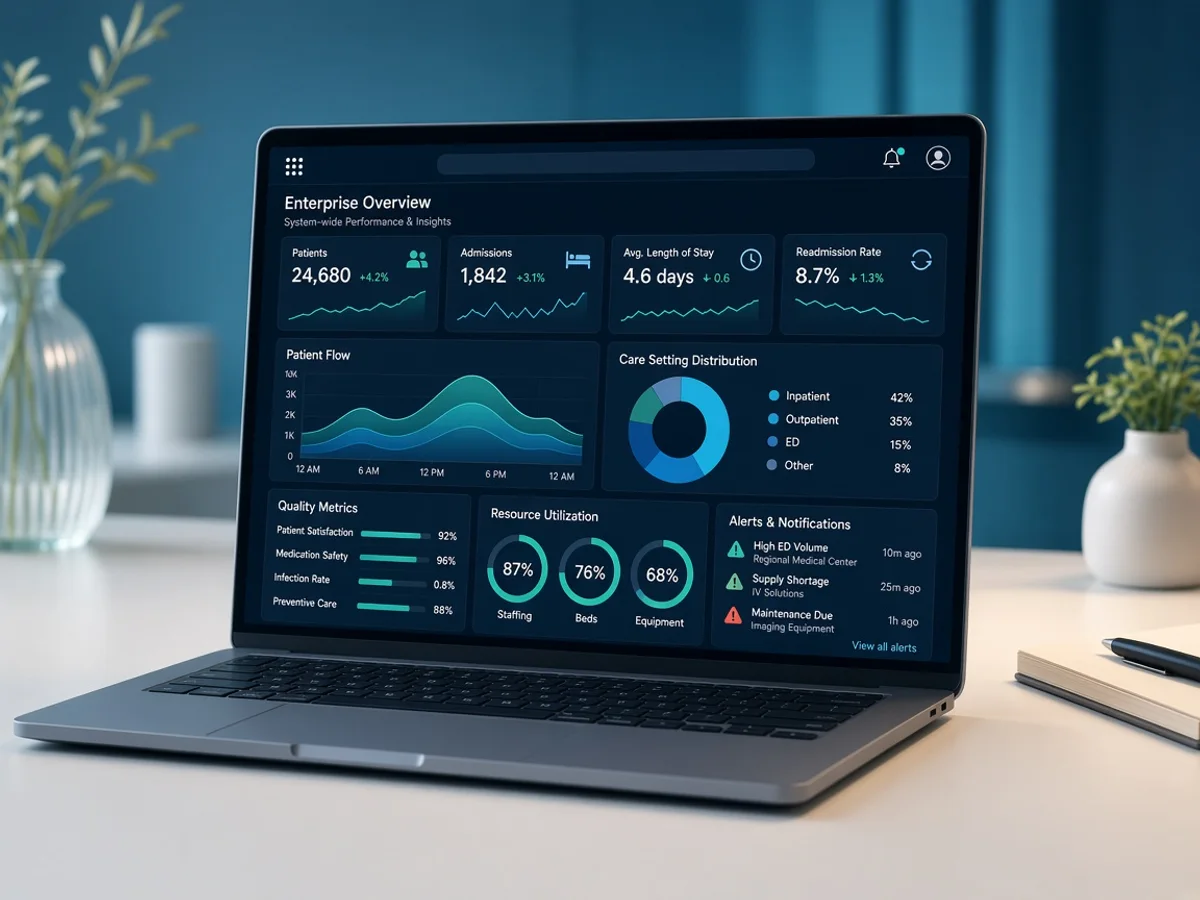
Enterprise Healthcare Ecosystem is a connected healthcare platform designed to bring patient services, clinical workflows, appointments, records, communication, and administration into one digital environment. Patients can manage profiles, request appointments, review relevant information, and communicate through dedicated interfaces. Healthcare professionals can manage schedules, review patient information, document activities, and coordinate care related workflows. Administrative teams can oversee users, appointments, records, providers, and platform activity from central management tools. The product was built to reduce fragmented healthcare workflows and create consistent information flow across participating teams. Abhineh Infotech supported product planning, UI UX design, development, integrations, testing, and deployment.
Project Idea
The ecosystem was designed to connect patient services, clinical workflows, provider management, records, appointments, and administration within one structured healthcare platform.
Healthcare organisations often manage patient information, appointments, provider schedules, communication, and administrative processes across separate systems. This can create duplicated work and inconsistent information. The platform needed a connected structure that could support different healthcare participants while keeping everyday workflows clear and manageable.
Abhineh Infotech connected patient profiles, appointment management, provider workflows, records, communication, notifications, and administrative controls through shared services and interfaces. The architecture established consistent data movement between patient and staff experiences while supporting role based access and the different workflows required across an enterprise healthcare environment.
The product principle focused on clarity, speed, and confidence. Patients needed straightforward access to appointments and information, healthcare professionals needed efficient clinical workflows, and administrators needed operational visibility. Clear interface patterns and structured information helped each participant complete relevant tasks with greater consistency.

Challenges
The platform supported patients, healthcare professionals, administrative teams, and organisational users with different responsibilities and access requirements. Each role needed relevant information and controls, while the underlying system had to maintain consistent workflows across appointments, records, communication, and administrative activity.
Healthcare data can include patient profiles, appointment information, provider details, clinical records, communication history, and operational information. The platform required structured data handling and controlled access so relevant information could be presented consistently across different interfaces without exposing unnecessary information to other roles.
Enterprise healthcare environments can generate significant activity across appointments, records, messages, provider schedules, and administrative operations. The platform required efficient services, caching, scalable infrastructure, and reliable APIs to maintain responsive performance as user activity and connected healthcare workflows increased.

Project Milestones We Achieved
| Milestone | Tasks | Timeline | Responsible |
|---|---|---|---|
| Discovery and Planning | Mapped patient, provider, administrator, and organisational journeys, healthcare requirements, access rules, integrations, workflows, and technical architecture. | Month 1 | Product and Engineering Team |
| UI/UX Design | Designed patient portals, provider workflows, appointment screens, records interfaces, communication areas, and administrative management views. | Month 2 to 3 | UI UX Design Team |
| Core Development | Built authentication, patient profiles, appointments, provider services, records, communication, notifications, APIs, and administration foundations. | Month 4 to 6 | Application Development Team |
| Integrations and Testing | Connected healthcare interfaces, validated role based workflows, tested APIs, reviewed data handling, and performed functional and performance testing. | Month 7 to 8 | Integration and QA Team |
| Launch and Optimization | Prepared production infrastructure, completed final validation, monitored platform activity, resolved issues, and refined patient and provider workflows. | Month 9 | Engineering and Delivery Team |
Project Features
Enterprise Healthcare Ecosystem connects patient services, provider workflows, appointments, records, communication, and administrative management through one structured healthcare platform.
Patient Profiles
Patients can create accounts, manage personal information, and access relevant healthcare services through structured profile management.
Appointment Management
Patients can request appointments while providers and administrators manage schedules, availability, confirmations, and appointment information.
Provider Workspace
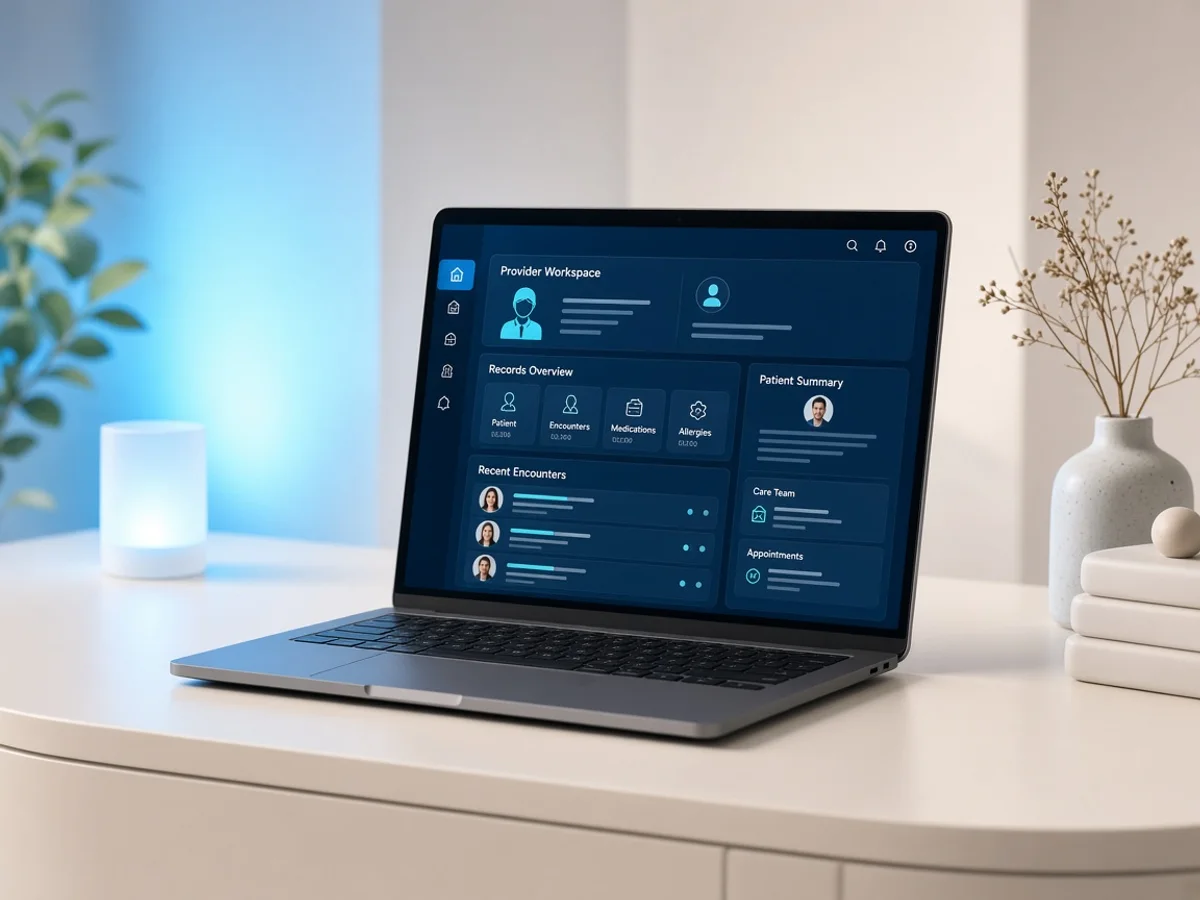
Healthcare professionals can review schedules, access relevant patient information, document activities, and manage assigned healthcare workflows.
Patient Records
Structured record management provides authorised users with organised access to relevant patient information across connected healthcare workflows.
Communication Center
Patients and healthcare teams can exchange relevant updates through integrated communication and notification workflows.
Administration Dashboard
Administrative teams gain central visibility into patients, providers, appointments, records, communication, and platform activity.
Results
Enterprise Healthcare Ecosystem launched as a connected healthcare platform covering patient profiles, appointments, provider workflows, records, communication, notifications, and administration. The delivered system brought multiple healthcare journeys into one structured digital environment.
Centralised management tools gave administrative teams clearer visibility across patients, providers, appointments, records, and platform activity. Connected workflows helped reduce fragmented operational processes and provided a more consistent way to manage routine healthcare administration.
Patients gained a more organised journey for managing profiles, requesting appointments, accessing relevant information, and communicating with healthcare teams. Providers also gained focused tools for schedules, patient information, and assigned workflows within their designated interfaces.
The architecture established a foundation for continued enterprise healthcare development. Future capabilities can extend provider networks, patient services, reporting, communication, scheduling, connected systems, and additional organisational workflows as platform requirements evolve.

Development Process
Explore
- Patient Journey Mapping
- Healthcare Research
- Requirement Analysis
- Interface Planning
- UI UX Design
- Flow Validation
Implement
- Mobile Development
- Backend Development
- API Development
- Record Services
- Scheduling Services
- Communication Services
Execute
- Functional Testing
- Load Testing
- Access Review
- Production Setup
- Platform Monitoring
- Workflow Optimization
Typography & colors
Plus Jakarta Sans
ABCDEFGHIJKLMNOPQRSTUVWXYZ
abcdefghijklmnopqrstuvwxyz
1234567890
Primary
#0C4A6E
Secondary
#7DD3FC
Tertiary Color
#E0F2FE
Icons Color
#64748B
Text Color
#0F172A
Background Color
#FFFFFF
App Visuals
HealthEco
1.4k users
Enterprise
Care network
Schedule
Network slot
Ops
System healthy
All services up
MonitorAlerts
Enterprise notices
Almost there
Create profile
Tech Stack
Angular supported structured web interfaces for patients, providers, and administrative teams. Java Spring Boot powered backend services for appointments, profiles, records, communication, and administration. MySQL managed relational healthcare data, while Apache Kafka supported reliable event processing between connected services. Microsoft Azure provided cloud hosting, monitoring, storage, and enterprise infrastructure.
- Angular
- Java Spring Boot
- MySQL
- Apache Kafka
- Microsoft Azure
Build A Connected Enterprise Healthcare Ecosystem
Talk with Abhineh Infotech about connecting patient services, provider workflows, records, appointments, communication, and healthcare operations.
Talk to Our Experts