
Case Study
BrokerDesk
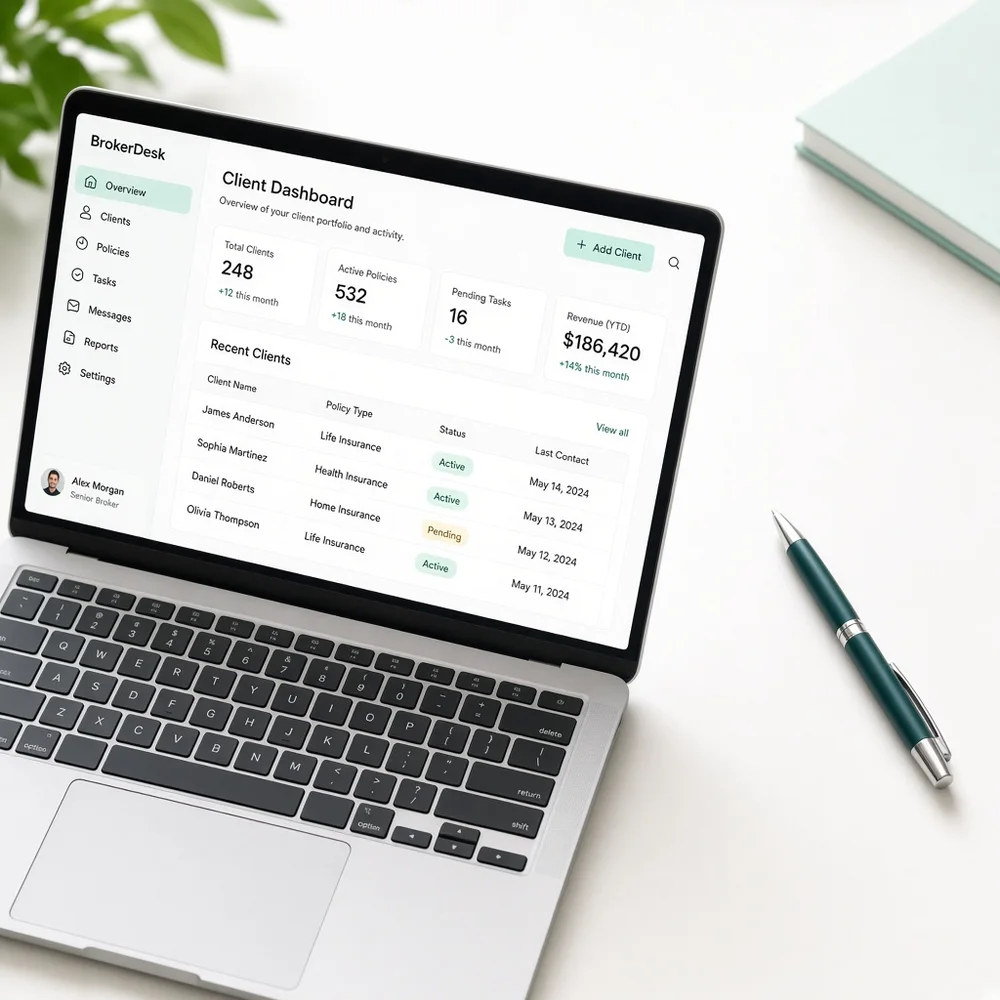
BrokerDesk is a trading management platform designed to connect brokers, clients, portfolios, orders, market data, and operational workflows through one digital system.
- 8 MonthsDelivery Timeline
- 10 SpecialistsProject Team
- 8 IntegrationsConnected Interfaces
Project Overview
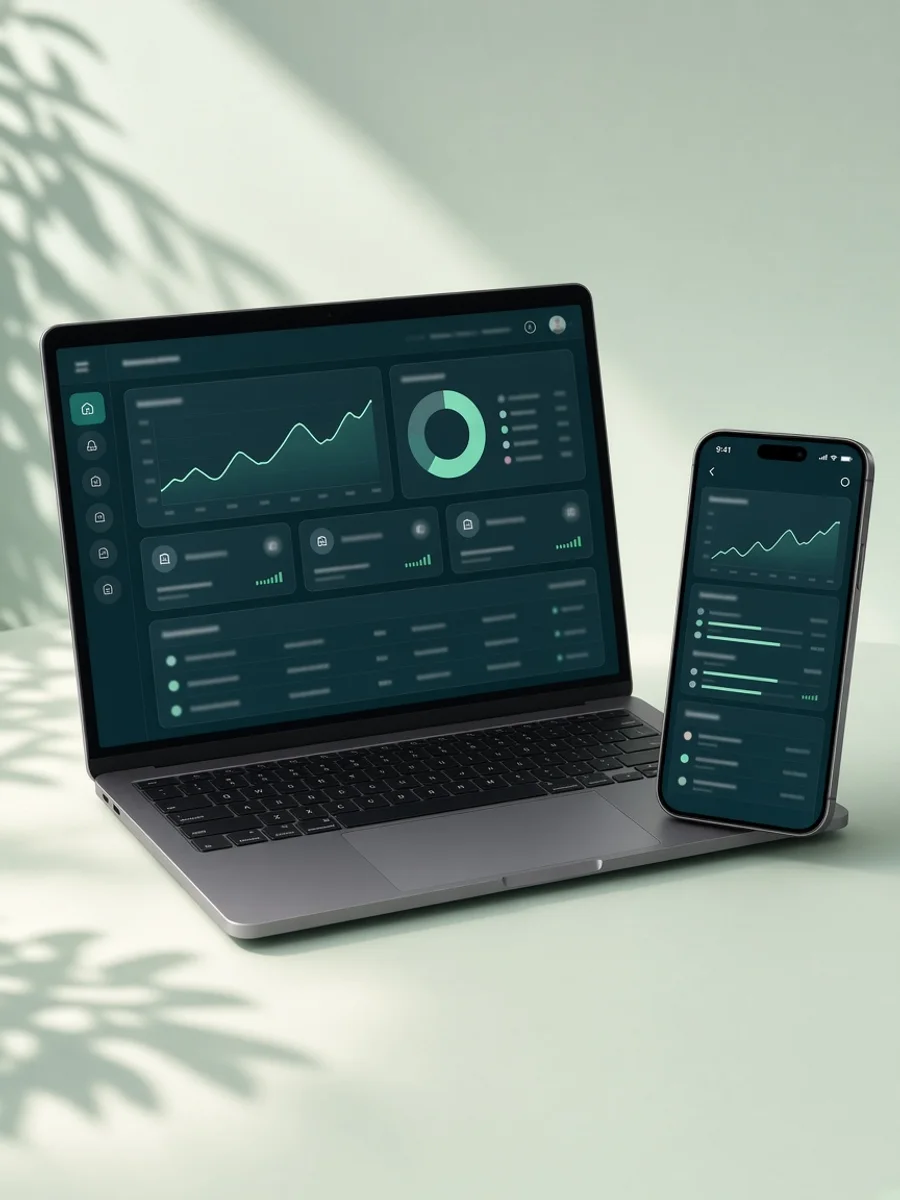
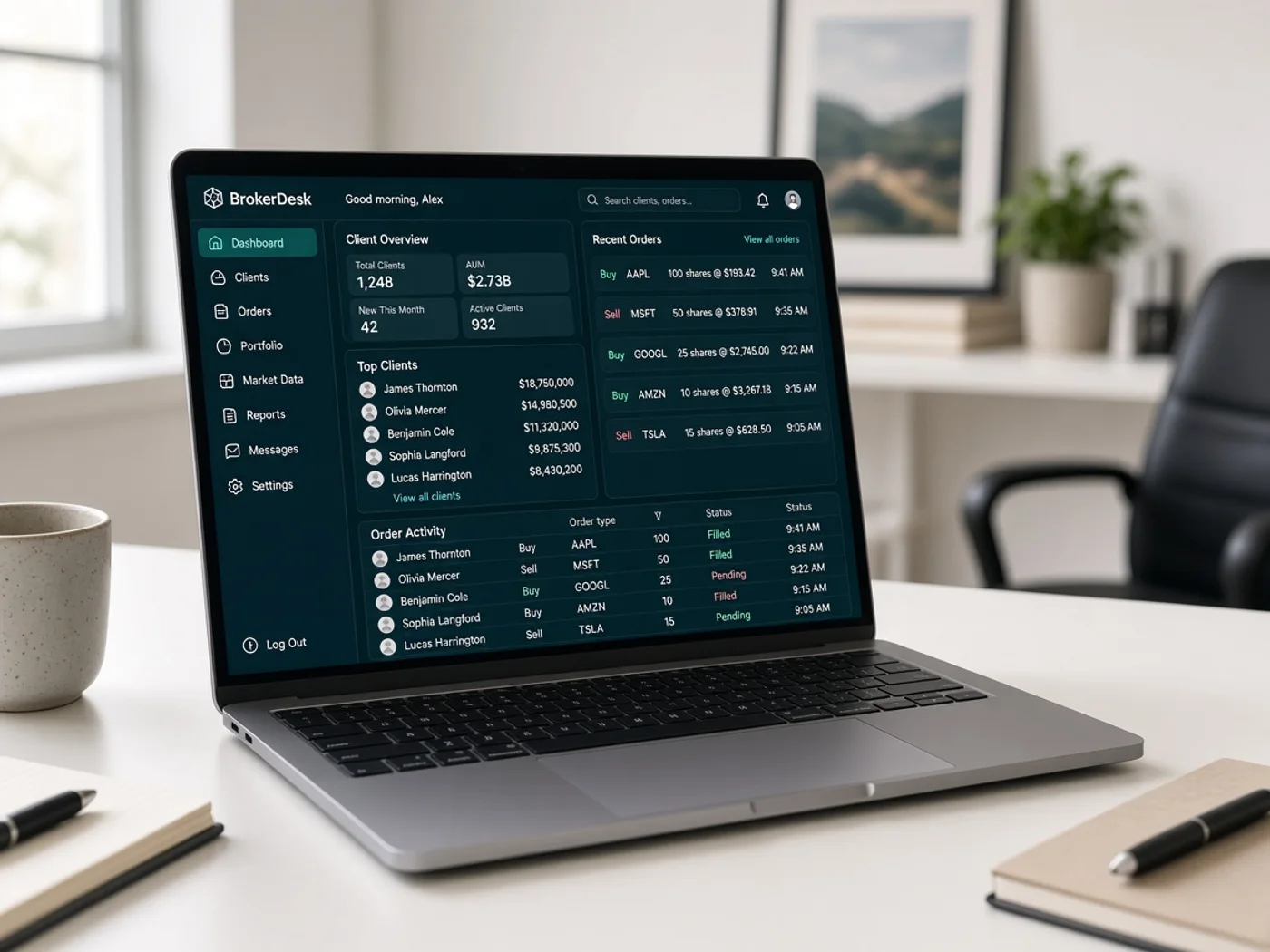
BrokerDesk is a trading management platform designed to help brokerage teams manage client accounts, portfolios, orders, market information, and daily operations. Clients can create profiles, review portfolio information, monitor market data, submit orders, and access account activity through dedicated interfaces. Brokers and internal teams can manage client records, review orders, monitor trading activity, and oversee operational workflows from a central dashboard. The product was built to bring client and brokerage processes into one connected environment while keeping financial information structured and accessible. Abhineh Infotech supported product planning, UI UX design, development, integrations, testing, and deployment.
Project Idea
BrokerDesk was designed to simplify brokerage operations by connecting client accounts, market information, portfolios, orders, and internal management through one structured platform.
Brokerage workflows involve multiple activities across client onboarding, account management, market information, portfolios, orders, transactions, and operational reviews. Managing these processes through separate systems can create unnecessary complexity. BrokerDesk needed a connected environment where clients and brokerage teams could access relevant information efficiently.
Abhineh Infotech connected client accounts, portfolio services, market data, order management, transaction records, notifications, and administrative workflows through a unified architecture. The approach helped maintain consistent information flow across client and broker interfaces while supporting structured communication between core services and external financial systems.
The product principle focused on clarity, speed, and confidence. Clients needed understandable portfolio and order information, while brokers required clear visibility across accounts and trading activity. Focused dashboards, consistent navigation, and structured data presentation helped users work through important financial workflows more efficiently.
Challenges
BrokerDesk supported clients, brokers, administrators, and operations teams with different responsibilities and access requirements. Clients needed focused account and portfolio experiences, while brokerage teams required broader tools for reviewing orders, managing accounts, and monitoring platform activity.
Trading platforms handle varied information across client accounts, instruments, prices, portfolios, orders, transaction records, and market updates. The system needed structured data models and validation processes to maintain consistency across interfaces while handling frequent changes in financial information.
Trading activity can increase considerably during market opening hours, major announcements, and periods of higher market participation. BrokerDesk required efficient APIs, caching, asynchronous processing, and scalable infrastructure to maintain responsive access to market information, portfolios, orders, and account activity.
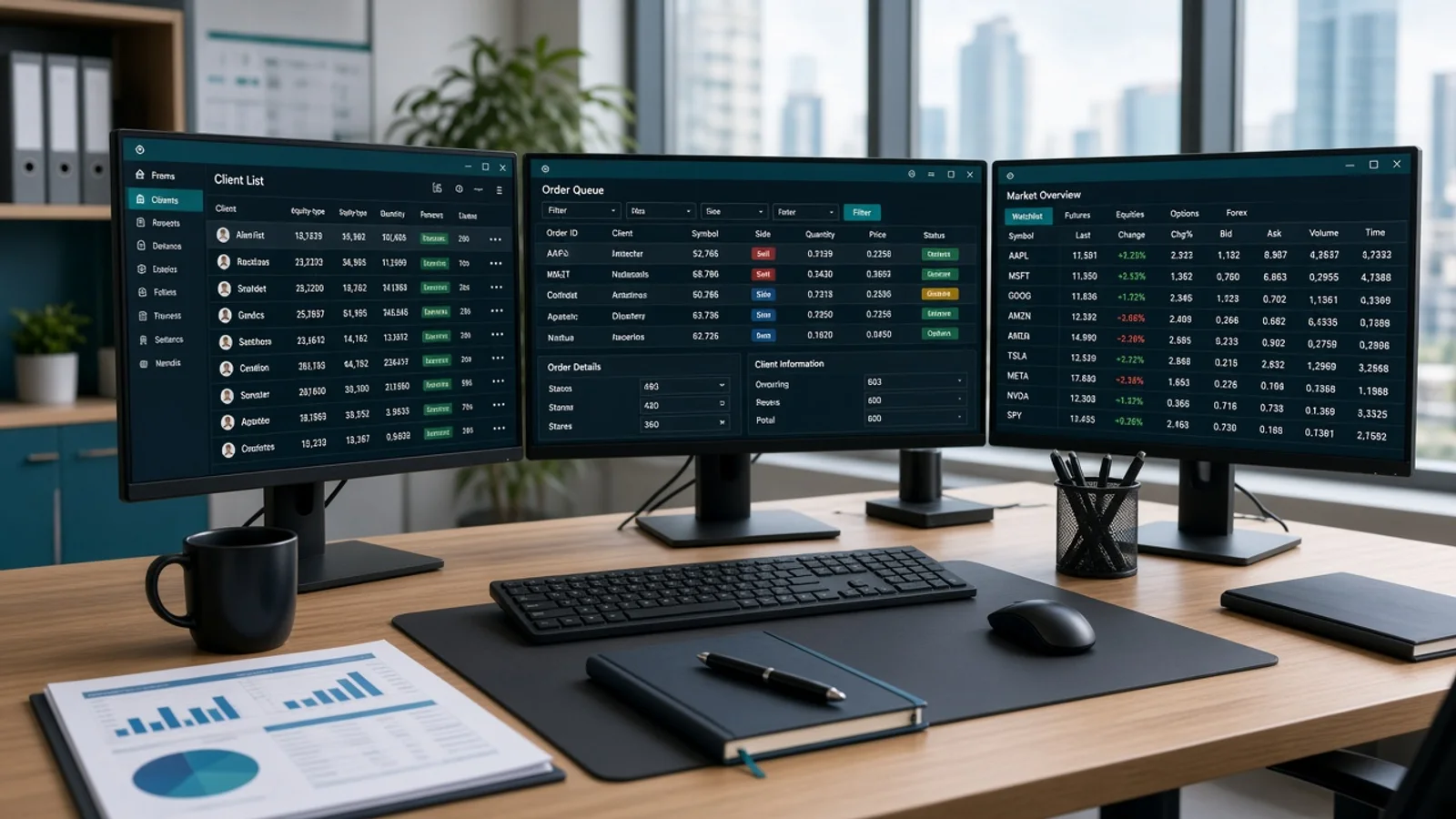
Project Milestones We Achieved
| Milestone | Tasks | Timeline | Responsible |
|---|---|---|---|
| Discovery and Planning | Mapped client, broker, and operations journeys, account requirements, portfolio workflows, order processes, integrations, and technical architecture. | Month 1 | Product and Engineering Team |
| UI/UX Design | Designed client portfolios, market views, order screens, account areas, broker controls, reporting views, and administrative interfaces. | Month 2 | UI UX Design Team |
| Core Development | Built authentication, client accounts, portfolios, market services, order management, transaction records, APIs, and dashboard foundations. | Month 3 to 5 | Application Development Team |
| Integrations and Testing | Connected market data, identity, notification, and financial service interfaces while validating trading workflows and platform performance. | Month 6 to 7 | Integration and QA Team |
| Launch and Optimization | Prepared production infrastructure, completed final validation, monitored platform activity, resolved issues, and refined client and broker workflows. | Month 8 | Engineering and Delivery Team |
Project Features
BrokerDesk brings client management, portfolio visibility, market information, order handling, transaction records, and brokerage operations into one structured trading platform.
Client Accounts
Clients can register, manage account information, and access relevant financial services through structured profile and authentication workflows.
Portfolio Management
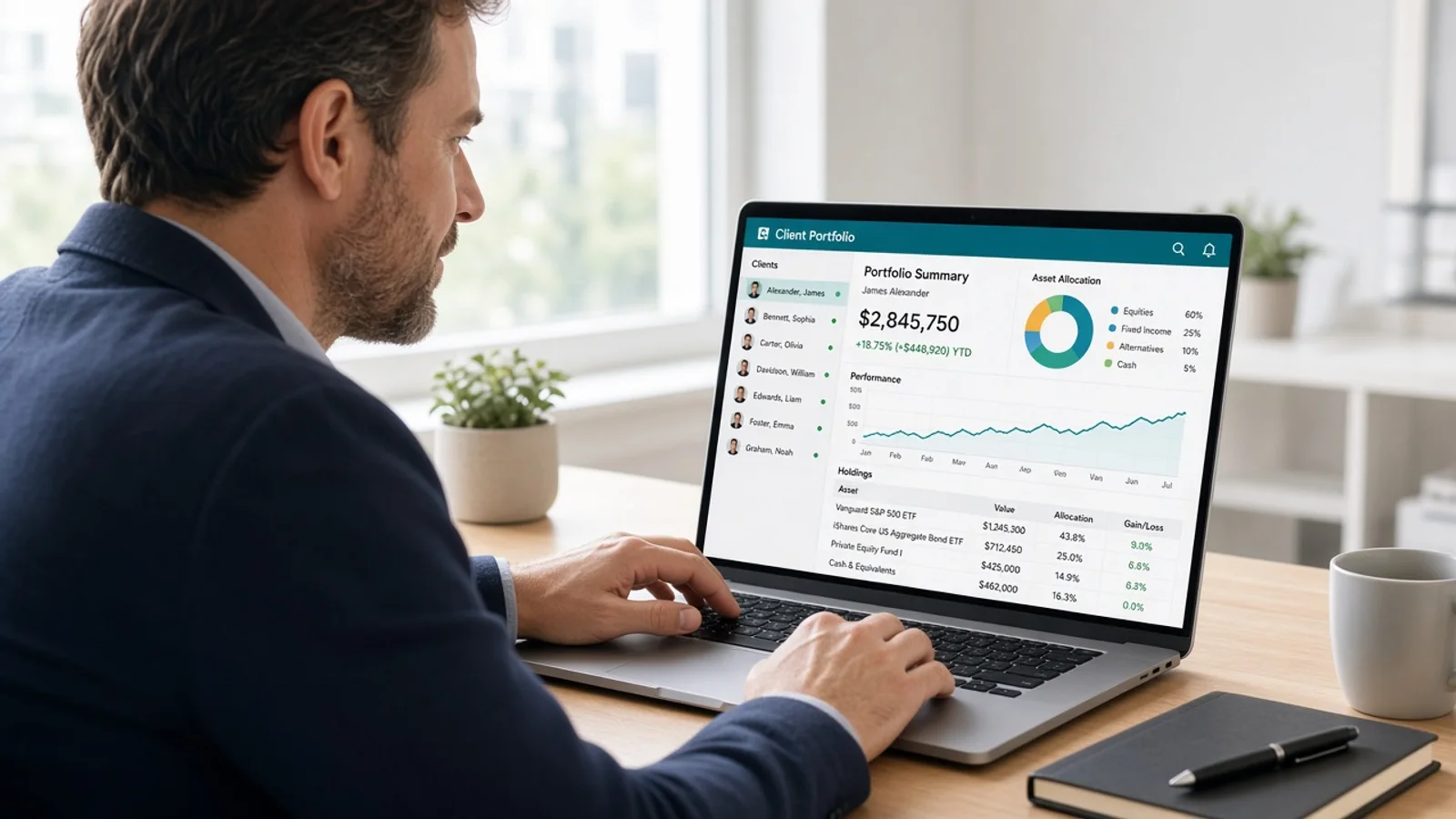
Clients and brokers can review portfolio information, holdings, valuations, and account activity through organised portfolio views.
Market Information
Users can access relevant market information through structured interfaces designed for clear viewing of instruments and current data.
Order Management
Clients can submit and review orders while brokers can monitor order information and manage related trading workflows.
Transaction Records
Users can review transaction history, order records, account activity, and relevant financial information through dedicated views.
Broker Operations Dashboard
Internal teams gain central visibility into clients, portfolios, orders, transactions, market activity, and operational workflows.
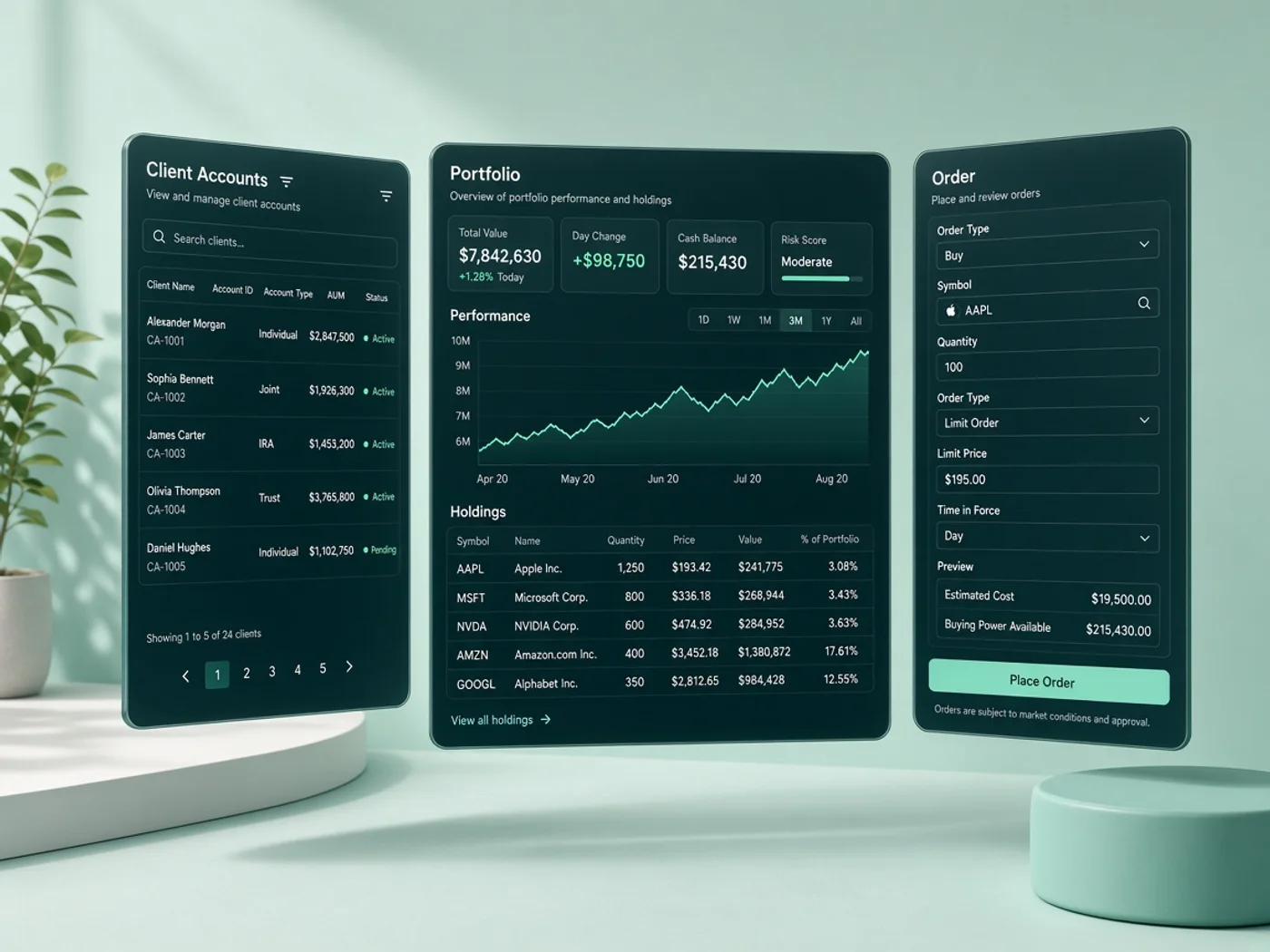
Results
BrokerDesk launched as a connected trading management platform covering client accounts, portfolios, market information, order management, transaction records, and brokerage operations. The delivered system brought key client and internal workflows into one structured environment.
Centralised brokerage tools gave internal teams clearer visibility into client accounts, orders, portfolios, and trading activity. This supported more consistent operational processes and provided teams with a focused environment for reviewing important account and transaction information.
Clients gained a more organised journey across account management, portfolio review, market information, and order activity. Structured screens helped users access relevant financial information while maintaining clear navigation between core areas of the platform.
The platform established a foundation for continued trading software development. Its architecture can support additional instruments, reporting capabilities, market data sources, portfolio tools, client services, and brokerage workflows as BrokerDesk evolves.
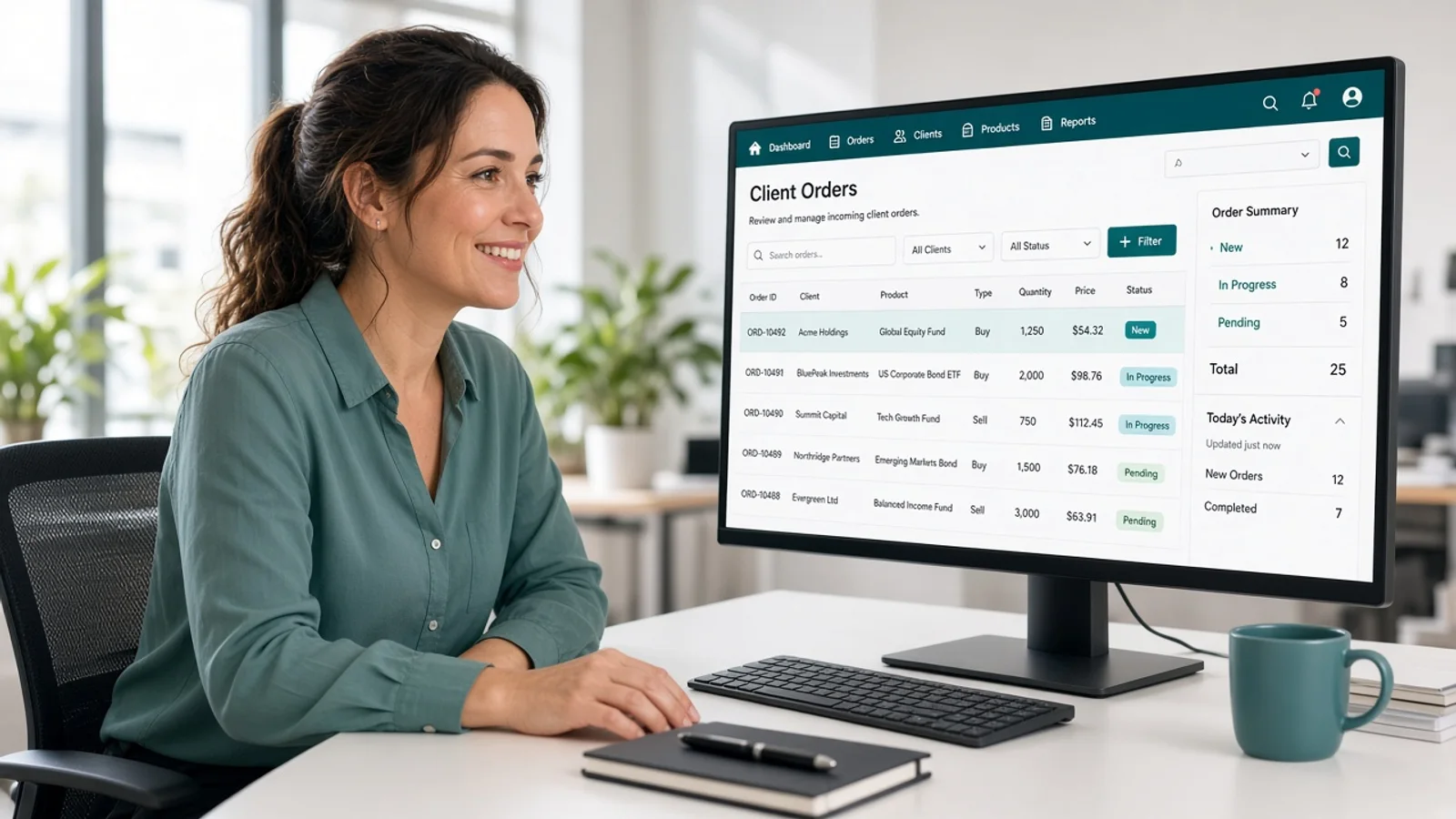
Development Process
Explore
- Trading Research
- Journey Mapping
- Requirement Analysis
- Portfolio Wireframes
- UI UX Design
- Flow Validation
Implement
- Web Development
- Backend Development
- API Development
- Market Data
- Financial Services
- Notification Services
Execute
- Functional Testing
- Load Testing
- Security Review
- Production Setup
- Activity Monitoring
- Workflow Optimization
Typography & colors
Plus Jakarta Sans
ABCDEFGHIJKLMNOPQRSTUVWXYZ
abcdefghijklmnopqrstuvwxyz
1234567890
Primary
#115E59
Secondary
#2DD4BF
Tertiary Color
#F0FDFA
Icons Color
#64748B
Text Color
#0F172A
Background Color
#FFFFFF
App Visuals
BrokerDesk
24 client books
Clients
Accounts
Order
Working ticket
Desk
New ticket
Awaiting check
OpenAlerts
Desk updates
Almost there
Create profile
Tech Stack
Angular supported structured web interfaces for BrokerDesk with reusable components and responsive dashboard layouts. Java with Spring Boot powered backend services for accounts, portfolios, orders, and brokerage workflows. PostgreSQL managed structured financial data, Apache Kafka supported asynchronous event processing, and Microsoft Azure provided cloud infrastructure, deployment, monitoring, and scalable hosting.
- Angular
- Java Spring Boot
- PostgreSQL
- Apache Kafka
- Microsoft Azure
Build A Reliable Trading Management Platform
Talk with Abhineh Infotech about building connected trading software for clients, portfolios, orders, market data, and brokerage operations.
Talk to Our Experts