

Case Study
AutoFleet
AutoFleet is a fleet management platform that helps businesses monitor vehicles, manage drivers, track maintenance, and coordinate daily fleet operations.
- 5.5 MonthsDelivery Timeline
- 7 SpecialistsProject Team
- 12 IntegrationsConnected Interfaces
Project Overview
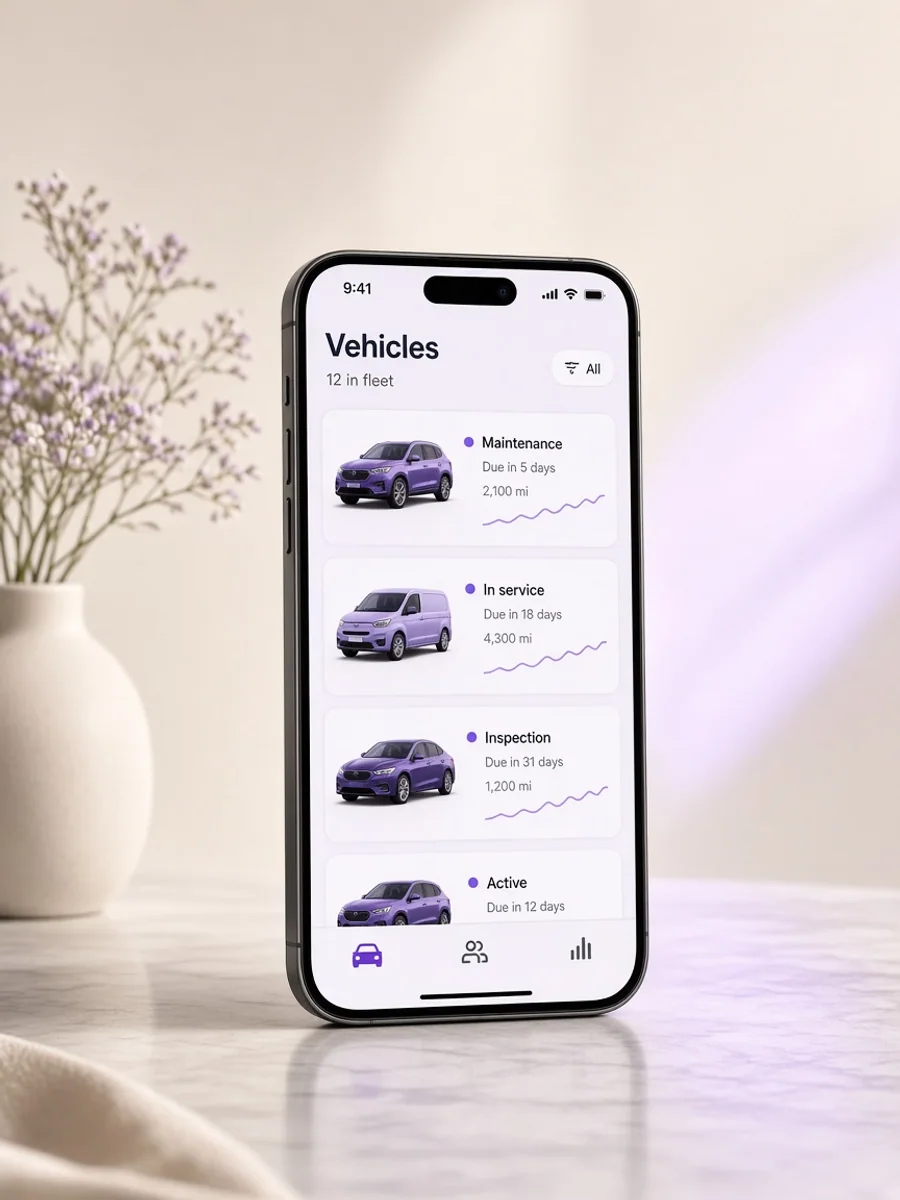
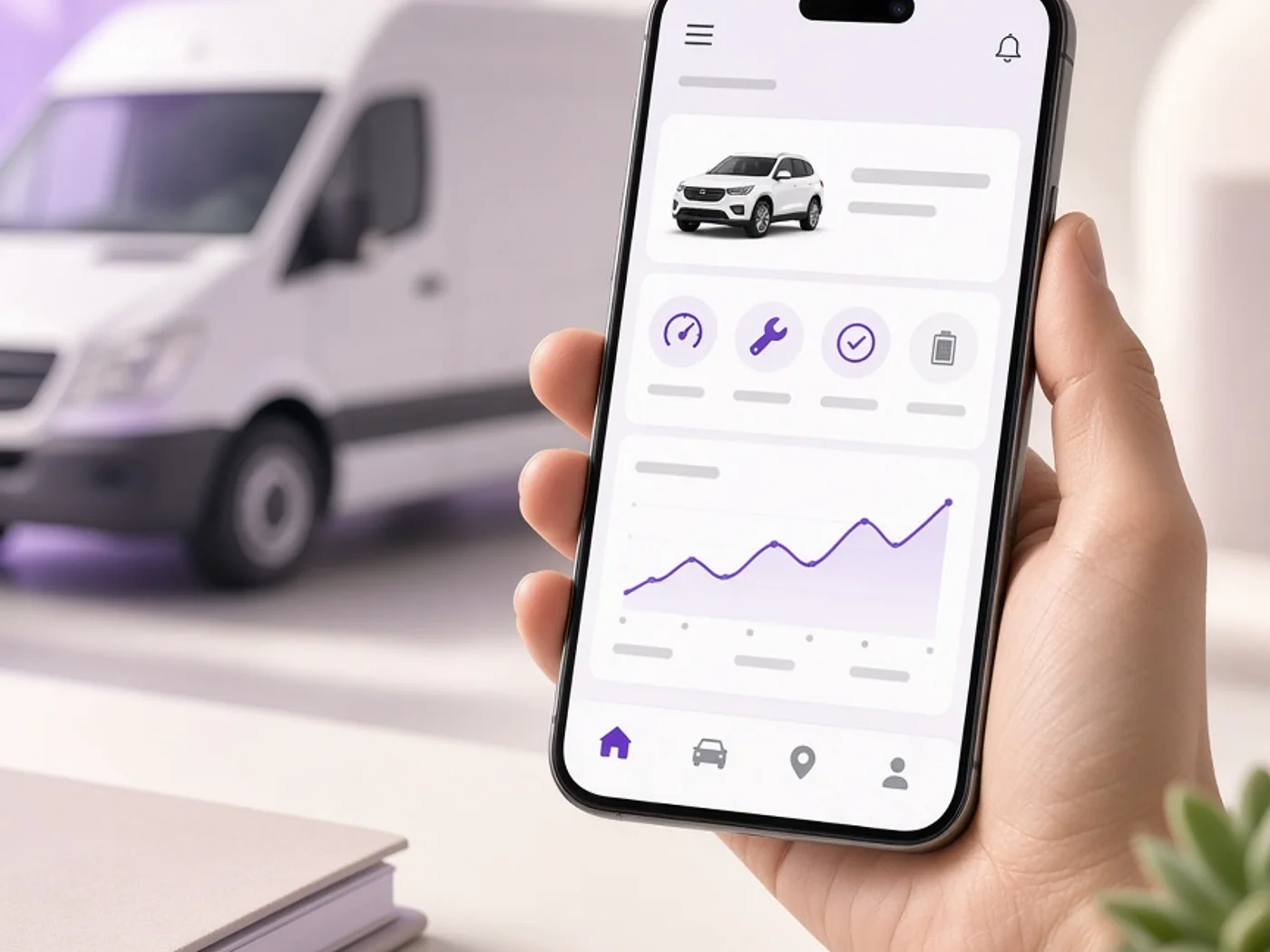
AutoFleet is a fleet management platform designed to help businesses organise vehicle operations, driver activity, maintenance schedules, and fleet records from one connected system. Fleet managers can register vehicles, assign drivers, review vehicle status, schedule maintenance, and monitor operational activity. Drivers can access assigned vehicle information, review tasks, and submit relevant updates through their interface. Administrators can manage users, vehicles, maintenance records, and operational data from a central dashboard. The platform was built to reduce fragmented fleet processes and provide clearer visibility across daily transportation operations. Abhineh Infotech supported planning, UI UX design, development, integrations, testing, and deployment.
Project Idea
AutoFleet was designed to bring vehicle records, driver activity, maintenance planning, operational monitoring, and fleet administration into one practical management platform.
Fleet teams often manage information across vehicles, drivers, maintenance schedules, documents, fuel records, and operational tasks. When these activities are handled separately, managers can spend unnecessary time finding information and coordinating updates. AutoFleet needed a connected platform that made routine fleet activity easier to organise and review.
Abhineh Infotech connected vehicle management, driver assignments, maintenance workflows, operational records, alerts, and administrative controls through a unified architecture. Shared backend services kept important fleet information consistent across interfaces while allowing managers and drivers to access tools relevant to their responsibilities.
The product principle focused on clarity, speed, and confidence. Fleet managers needed a quick view of vehicle conditions and upcoming tasks, while drivers needed accessible assignments and reporting tools. Structured dashboards and focused workflows made important fleet information easier to review and act upon.

Challenges
AutoFleet supported fleet managers, drivers, maintenance teams, and administrators with different responsibilities and access requirements. Managers required broad operational visibility, drivers needed vehicle and task information, and maintenance teams required access to service records and upcoming maintenance activities.
Fleet information varies across vehicle specifications, registration details, driver assignments, mileage, service records, inspections, fuel activity, and operational status. The platform needed structured data management so updates remained consistent across vehicle profiles, dashboards, maintenance workflows, and administrative interfaces.
Large fleets can generate frequent updates across vehicle activity, maintenance events, driver records, and operational tasks. AutoFleet required efficient APIs, background processing, caching, and scalable cloud infrastructure to keep dashboards responsive while handling regular updates across multiple fleet management workflows.

Project Milestones We Achieved
| Milestone | Tasks | Timeline | Responsible |
|---|---|---|---|
| Discovery and Planning | Mapped fleet manager, driver, maintenance, and administrator journeys, vehicle requirements, operational workflows, reporting needs, integrations, and architecture. | Month 1 | Product and Engineering Team |
| UI/UX Design | Designed vehicle profiles, fleet dashboards, driver interfaces, maintenance screens, alerts, reports, and administrative workflows. | Month 2 | UI UX Design Team |
| Core Development | Built authentication, vehicle records, driver management, maintenance services, task workflows, alerts, APIs, and dashboard foundations. | Month 3 to 4 | Application Development Team |
| Integrations and Testing | Connected vehicle data, notification, mapping, and reporting services while validating fleet workflows and platform performance. | Month 5 | Integration and QA Team |
| Launch and Optimization | Prepared production infrastructure, completed validation, monitored fleet activity, resolved issues, and refined management workflows. | Month 5.5 | Engineering and Delivery Team |
Project Features
AutoFleet combines vehicle management, driver coordination, maintenance planning, operational monitoring, and fleet administration in one structured platform for daily fleet activity.
Vehicle Profiles
Fleet managers can maintain vehicle specifications, registration information, mileage records, status details, and related operational data.
Driver Management
Manage driver profiles, assignments, activity information, and relevant responsibilities through dedicated fleet management workflows.
Maintenance Scheduling
Schedule servicing, record maintenance activity, and review upcoming vehicle requirements through organised maintenance management tools.
Vehicle Tracking
Monitor vehicle activity and status information through connected tracking capabilities designed to improve fleet visibility.
Fleet Alerts
Receive relevant alerts for maintenance requirements, vehicle events, assignments, and operational activities requiring attention.
Fleet Dashboard
Administrators gain central visibility into vehicles, drivers, maintenance, activity, and fleet performance through a focused dashboard.

Results
AutoFleet launched as a connected fleet management platform covering vehicle records, driver management, maintenance, tracking, alerts, and administrative operations. The delivered system brought core fleet activities into one structured digital environment.
Centralised fleet information gave managers clearer visibility into vehicles, drivers, maintenance requirements, and operational activity. This helped teams organise routine tasks more consistently and reduced reliance on disconnected records for everyday fleet management.
Managers gained a more structured way to review vehicle status and upcoming maintenance, while drivers could access relevant assignments and fleet information through focused interfaces. This improved visibility across important stages of daily fleet operations.
The platform established a scalable foundation for further fleet management capabilities. Its architecture can support additional tracking services, fuel management, inspection workflows, reporting, driver tools, maintenance automation, and fleet analytics as AutoFleet evolves.

Development Process
Explore
- Fleet Mapping
- Operations Research
- Requirement Analysis
- Dashboard Planning
- UI UX Design
- Flow Validation
Implement
- Mobile Development
- Backend Development
- API Development
- GPS Services
- Alert Services
- Data Services
Execute
- Functional Testing
- Load Testing
- Security Review
- Production Setup
- Fleet Monitoring
- Workflow Optimization
Typography & colors
Plus Jakarta Sans
ABCDEFGHIJKLMNOPQRSTUVWXYZ
abcdefghijklmnopqrstuvwxyz
1234567890
Primary
#9333EA
Secondary
#D8B4FE
Tertiary Color
#F3E8FF
Icons Color
#64748B
Text Color
#0F172A
Background Color
#FFFFFF
App Visuals
AutoFleet
27 units
Vehicles
Status board
Service
Next job
Track
Geofence exit
SUV 9 left zone
MapAlerts
Fleet notices
Almost there
Create profile
Tech Stack
Kotlin supported native Android experiences for drivers and fleet teams. Laravel powered backend services and APIs for vehicles, drivers, maintenance, and operations. MySQL handled structured fleet records, while Firebase supported notifications and selected real time services. Microsoft Azure provided cloud hosting, application deployment, monitoring, and infrastructure for the platform.
- Kotlin
- Laravel
- MySQL
- Firebase
- Microsoft Azure
Build A Smarter Fleet Management Platform
Talk with Abhineh Infotech about connecting vehicles, drivers, maintenance, tracking, alerts, and fleet operations through one platform.
Talk to Our Experts